Play Bare Witness
Bare Witness Screenshots

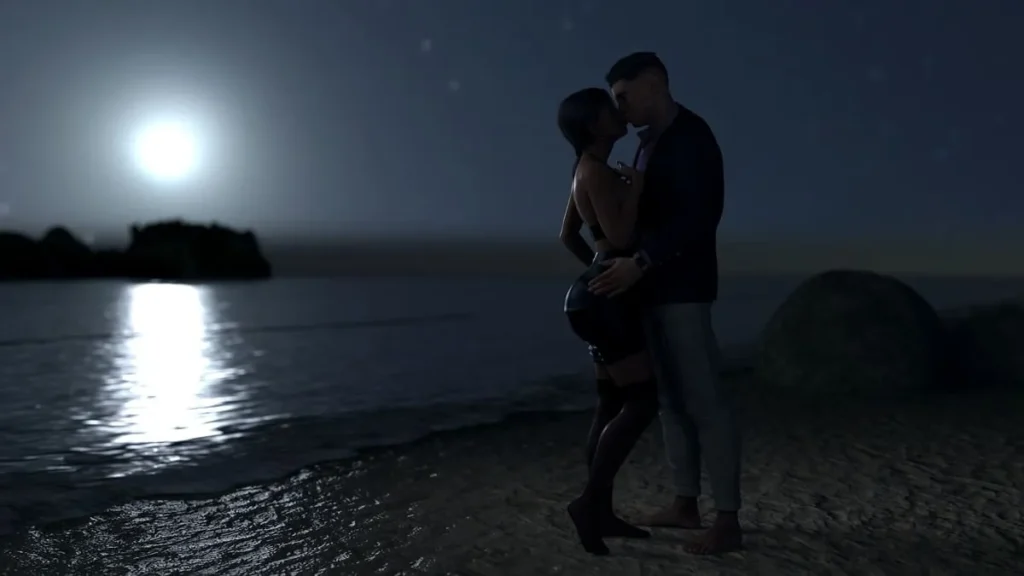


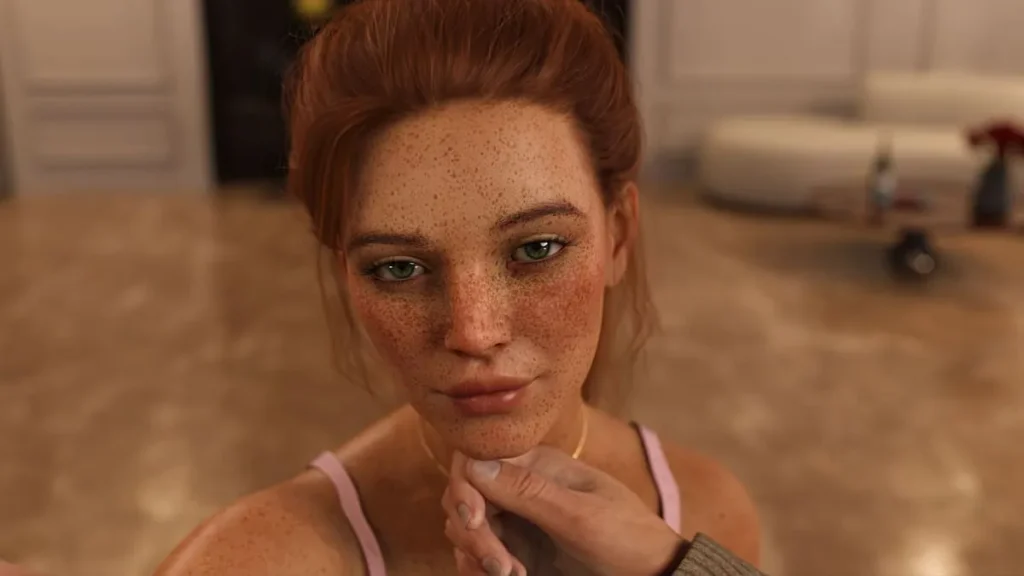

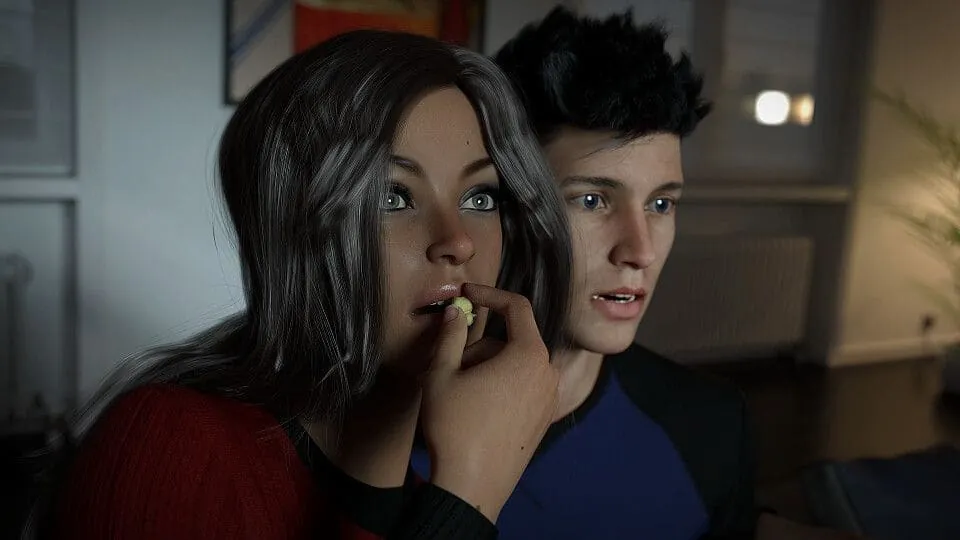
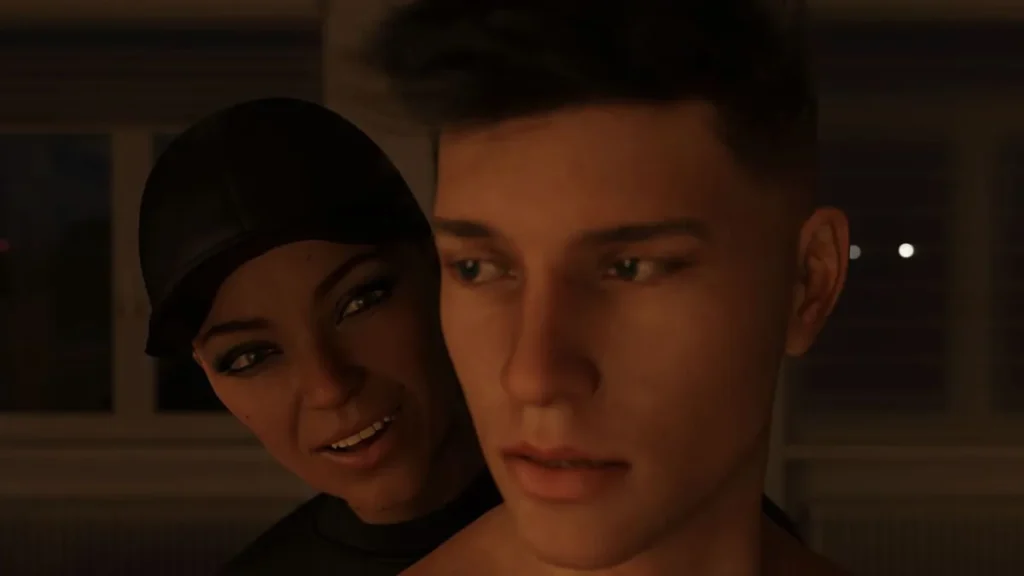
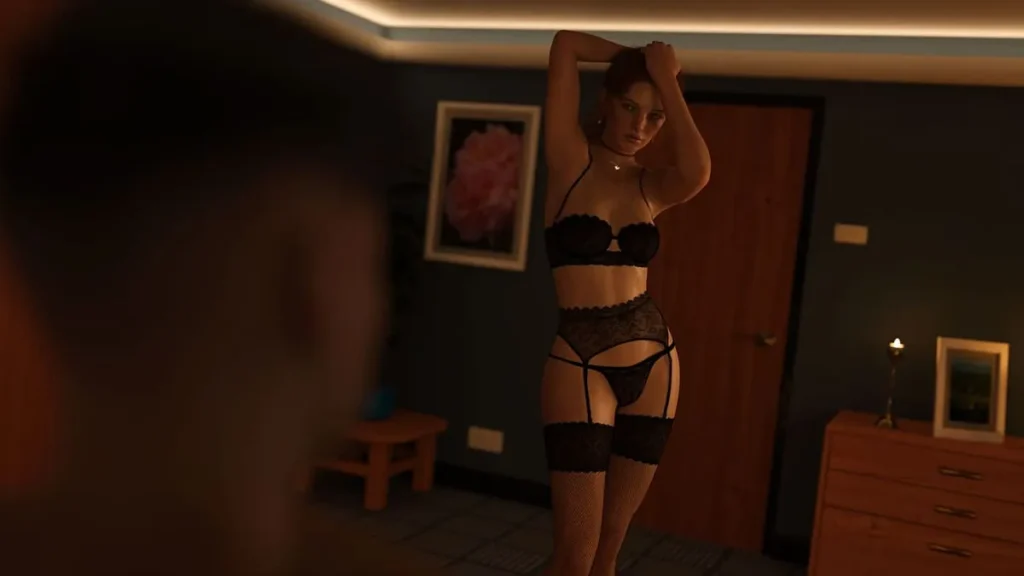


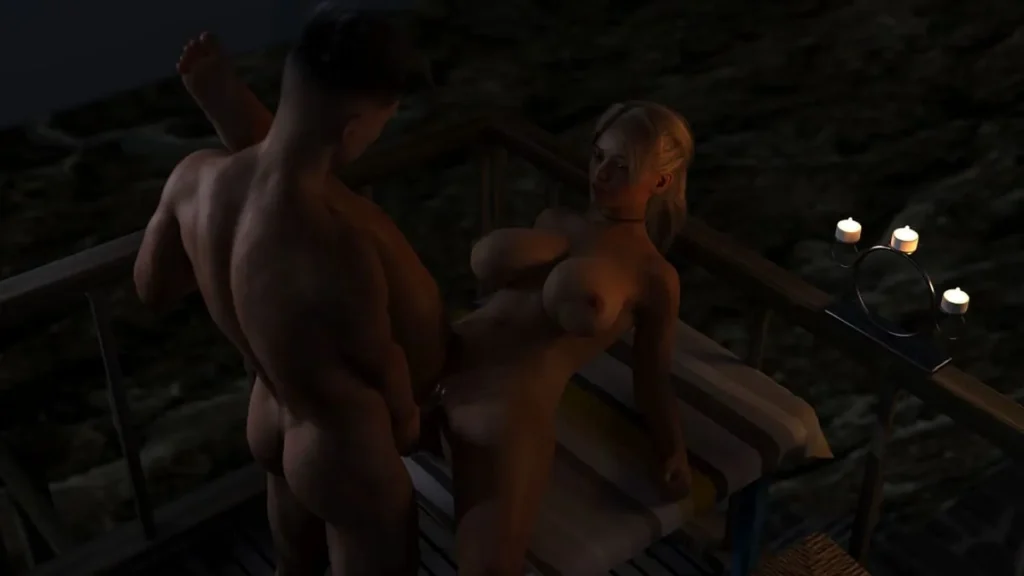
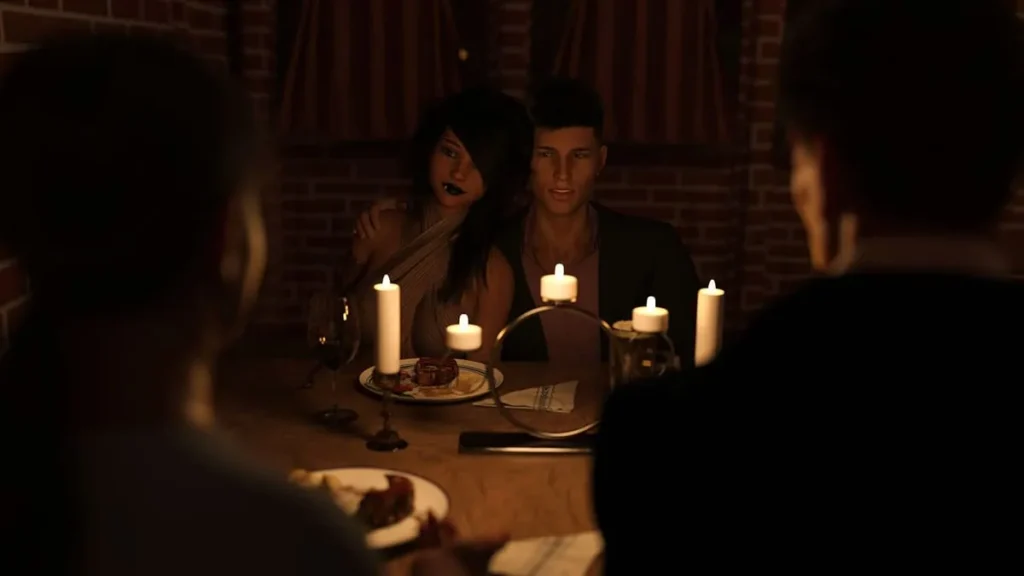



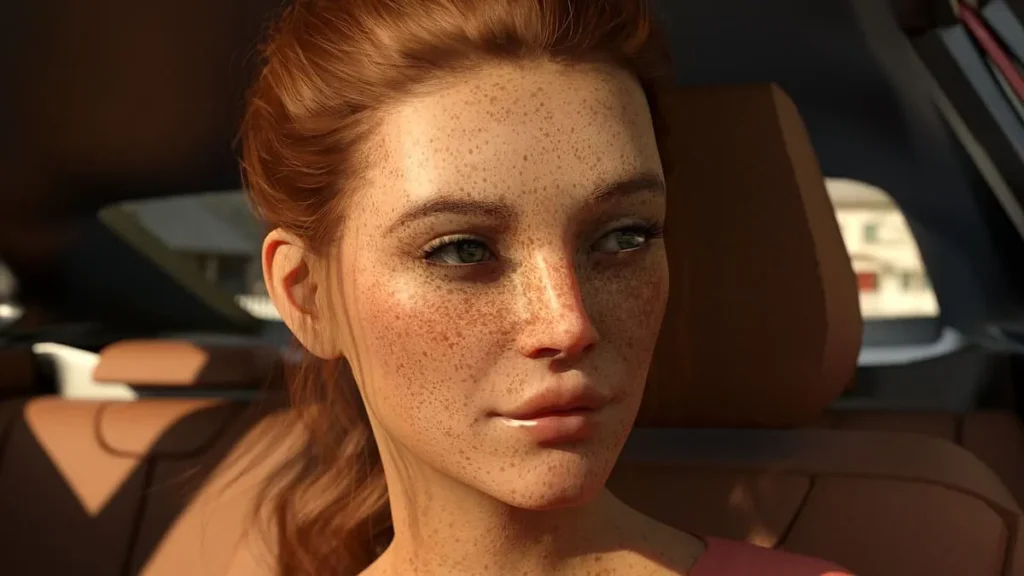

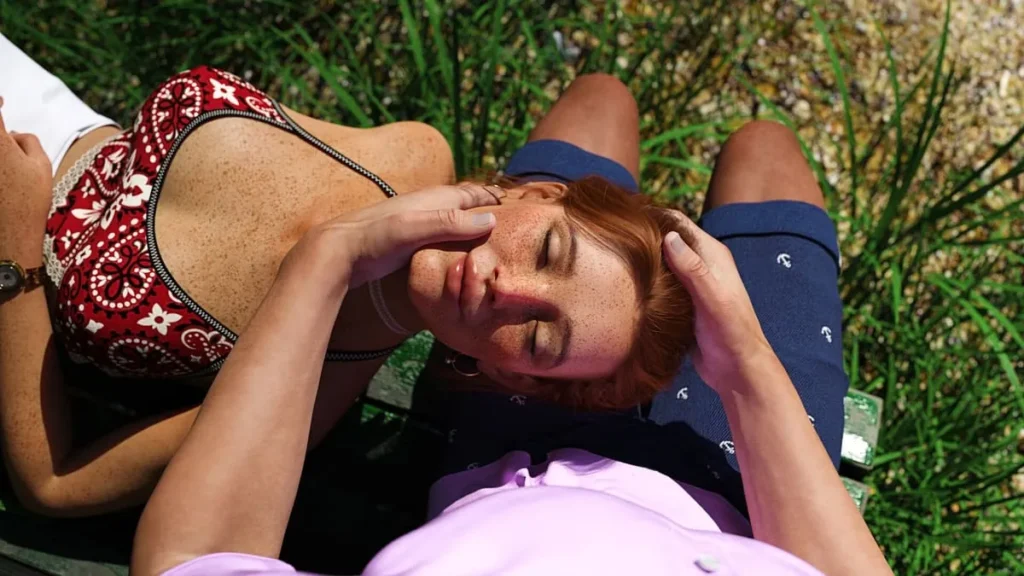
Bare Witness review
Explore the intimate story of four university students and how your decisions shape every relationship and ending
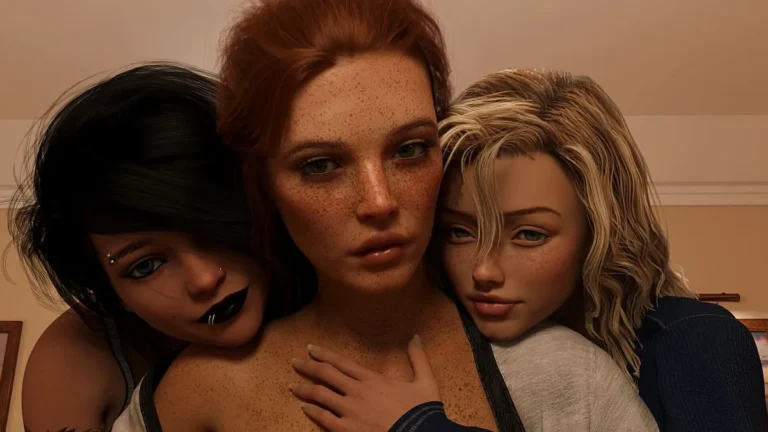
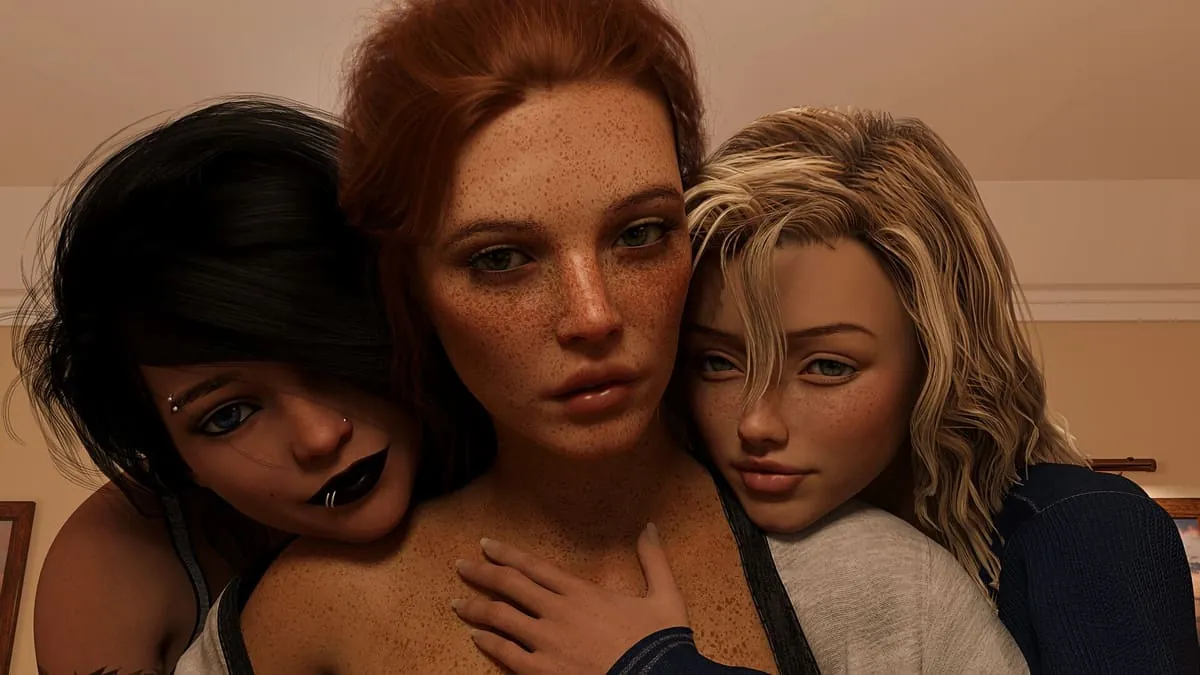
Bare Witness stands out as a unique interactive narrative experience that puts you in control of Athena, a photography student navigating her final year of university alongside three housemates. Unlike traditional games with predetermined outcomes, Bare Witness thrives on the decisions you make throughout the journey. Every conversation, every choice—whether to offer encouragement or give someone space—shapes not just the ending you’ll witness, but the entire emotional landscape of your playthrough. This guide explores what makes Bare Witness a compelling choice-driven adventure and how your decisions create a deeply personal story.
Understanding Bare Witness: Core Gameplay and Narrative Design
Ever found yourself playing a narrative game where the choices feel as impactful as picking a breakfast cereal? 😴 You click the “nice” option, get a smile, click the “mean” option, get a frown, and the story chugs along the same predetermined track. It can leave you wondering what the point was. If you’ve ever craved a story where your decisions truly weave the narrative fabric, where a quiet moment of listening can resonate more loudly than a dramatic speech, then you’re in the right place. Welcome to Bare Witness, an interactive narrative that doesn’t just tell you a story—it asks you to live one, frame by intimate frame.
This isn’t a game about saving the world; it’s about navigating the quiet, monumental transition from student to adult. You step into the worn shoes of Athena, a photography student in her final year of university, sharing a house with three friends. The drama here is internal, the stakes deeply personal, and every conversation is a potential turning point. The genius of the Bare Witness story lies in its commitment to authenticity, using its unique photography game mechanic and nuanced choice-driven gameplay mechanics to create an experience that feels less like playing a game and more like reminiscing on a pivotal chapter of your own life.
### What Makes Bare Witness an Interactive Narrative Experience?
At its heart, Bare Witness is a masterclass in atmospheric storytelling. The core gameplay loop is beautifully simple: you explore the shared house, interact with objects, and engage in conversations with your housemates—Mora, Sadie, and Heidi. There’s no combat, no puzzles to solve, no timer counting down. 🏡 Instead, the game employs a deliberately slow pace that might feel unusual at first. This isn’t a flaw; it’s a deliberate design choice. The game gives you room to breathe, to linger on a photo on the wall, to listen to the rain against the window, to feel the weight of silence in a room. This slow burn is what fosters true immersion, pulling you into the daily rhythms and unspoken tensions of this shared home.
I remember my first playthrough, spending a good five minutes just looking at the clutter in the kitchen—the half-drunk mugs of coffee, the notes on the fridge, the specific brand of tea someone preferred. It wasn’t “action,” but it told me more about these characters than any expository dialogue could. This environmental storytelling is a cornerstone of the Bare Witness interactive narrative. You’re not just advancing a plot; you’re piecing together the lives of these four people through their possessions, their spaces, and their interactions.
The narrative focuses on the intimate portrait of four university students on the cusp of everything. Finals loom, futures are uncertain, and the comfortable bubble of shared housing is about to pop. Your role as Athena isn’t to direct this chaos, but to exist within it, to witness it, and to influence it through presence and conversation. The game presents slices of life that feel ripped from a personal diary: late-night talks about fears, playful teasing over chores, the awkwardness of unresolved feelings. This is the essence of a university student simulation game that simulates not just activities, but emotional states and relational dynamics. It’s about the last summer before real life begins, and every moment is tinged with that bittersweet awareness.
Tip: Don’t rush. The magic of Bare Witness is in the quiet moments. Let yourself be bored in-game. That’s often when the most authentic character moments shine through.
### The Role of Photography in Gameplay Mechanics
Now, let’s talk about the camera. 📸 For Athena, and for you as the player, photography is far more than a minigame or a collectible side-activity. It is the central metaphor of the entire experience and a profound photography game mechanic. Athena is grappling with her final university project—a series that must define her perspective as an artist. Her professor’s critiques haunt her: her work is technically proficient but lacks a clear point of view. Sound familiar? This isn’t just about art; it’s a metaphor for her life. How does she frame her own future? What does she choose to focus on, and what does she leave out of the shot?
This struggle defines the Bare Witness Athena character. She is observant, thoughtful, but often stuck behind the lens, using it as a barrier between herself and the world. The game brilliantly turns this internal conflict into a gameplay loop. Throughout the story, you will be prompted to take photographs. These aren’t arbitrary “photo ops” for points. You are literally choosing how to frame the narrative of your own life and the lives of your friends.
Do you take a wide shot of the whole group laughing, celebrating the unity of your found family? Or do you zoom in on a single housemate’s expression, capturing a flicker of doubt or sadness they’re trying to hide? The game doesn’t judge these choices as right or wrong. Instead, they accumulate to define Athena’s artistic thesis and, by extension, her personal growth. The photos you take become artifacts of your playthrough, a visual diary of what you deemed important. I found myself sometimes putting the camera down entirely, deciding that certain moments were too raw, too private to be framed—and that felt like a meaningful choice in itself.
The camera mechanic reinforces the game’s core theme: we are all narrators of our own lives. Are you an active participant in the scene, or a passive observer documenting it from a safe distance? Your use of the camera directly answers that question, making the photography game mechanic one of the most elegant and thematically unified systems in any interactive narrative I’ve experienced.
### How Player Choices Drive the Story Forward
This brings us to the engine of the experience: your decisions. Forget grand, world-altering morality meters. The choice-driven gameplay mechanics in Bare Witness thrive in the subtleties of human interaction. The game presents dilemmas that feel authentic, messy, and entirely relatable. You will almost never see a clear “Good” or “Evil” option. Instead, you’re navigating between offering emotional support or giving someone space, between telling a hard truth or offering comforting platitudes, between engaging directly with a conflict or quietly observing it.
Here are the key types of decisions you’ll constantly be weighing:
- Emotional Support vs. Respectful Space: Is your friend asking for a hug, or do they need to be alone to process?
- Honest Truth vs. Protective Comfort: Do you voice your real concern about a friend’s questionable life choice, or do you support them unconditionally?
- Active Engagement vs. Passive Observation: Do you jump into a heated discussion between housemates, or do you stay out of it, knowing it’s not your battle?
Let’s walk through a powerful example: the garden scene. Early on, you might find one of your housemates visibly upset in the backyard. The conversation starts, and you’re given a pivotal choice in how to respond. The dialogue options aren’t “Cheer Up” vs. “Tough Luck.” They’re nuanced.
- Option A (Empathetic Nudge): “You seem really down. Do you want to talk about it?”
- Option B (Respectful Distance): “I’ll leave you to it. Just know I’m here if you need me.”
I chose Option A in my first playthrough, leading to a deep, vulnerable conversation that strengthened my bond with that character. They shared a fear of failure that later became a central thread in our relationship. In a subsequent playthrough, I chose Option B. The character gave a small, grateful smile, and I walked away. Later, in a group setting, they were noticeably more reserved around Athena, and that specific story thread never opened up. The narrative game choices impact was clear: my decision didn’t just change a line of dialogue; it altered the potential depth of an entire relationship. By not prying, I signaled a different dynamic, and the story adapted organically.
| Choice Type | Example from Game | Potential Narrative Impact |
|---|---|---|
| Support vs. Space | Asking “What’s wrong?” vs. “I’ll give you some time.” | Unlocks deeper personal storylines or reinforces a respectful but more distant bond. |
| Truth vs. Comfort | “I’m worried about your plan.” vs. “I’m sure it’ll work out.” | Influences a character’s subsequent decisions and their trust in your honesty. |
| Engagement vs. Observation | Joining a debate vs. staying quiet and listening. | Shapes the group’s perception of Athena as a mediator, an instigator, or a passive member. |
This is how the game works. Every choice, no matter how small, feeds into a hidden tapestry of relationship values and story flags. Did you help with the dishes without being asked? Did you remember a friend’s important date? Did you share your own insecurity when pressed? These moments collectively determine how each character perceives Athena. Do they see her as a rock, a confidante, a distant artist, or a source of tension?
The culmination of this is the game’s multiple endings. There is no singular “true” ending. Instead, you will arrive at a conclusion that is the direct, logical outcome of the relationships you’ve nurtured (or neglected) and the personal growth Athena has undergone based on your choices. The Bare Witness story branches not with a sledgehammer, but with the gentle, cumulative pressure of a hundred tiny decisions. You might end with a profound sense of closure and a clear future path, or in a place of beautiful, uncertain ambiguity. Your ending will feel earned, a direct reflection of the Athena you chose to be.
This is why there are no ‘good’ or ‘bad’ decisions in Bare Witness. There are only your decisions. The game respects you too much to judge your approach to these messy human situations. Instead, it faithfully simulates the consequences, creating a deeply personal interactive narrative. The game’s greatest achievement is its invitation: to engage not with what you think the “game” wants, but with what you find important in each scene. What do you choose to witness? What do you choose to focus on? In the end, Bare Witness is a mirror, reflecting back the story you decided to tell. ✨
Bare Witness delivers a compelling interactive experience by centering player agency in ways that feel natural and emotionally resonant. The game’s strength lies not in dramatic, world-altering decisions, but in the subtle, authentic choices that accumulate to create a unique narrative journey. Whether you’re offering tea or asking someone to talk, your decisions determine which character storylines unfold, how relationships develop, and ultimately which ending you’ll witness. The photography mechanic reinforces this theme—you’re constantly choosing what to focus on, what matters to you, and how you frame your experience. For players seeking a narrative-driven game where their choices genuinely matter and multiple playthroughs reveal entirely different stories, Bare Witness offers a thoughtfully crafted experience that rewards engagement with its intimate portrayal of university life and human connection.