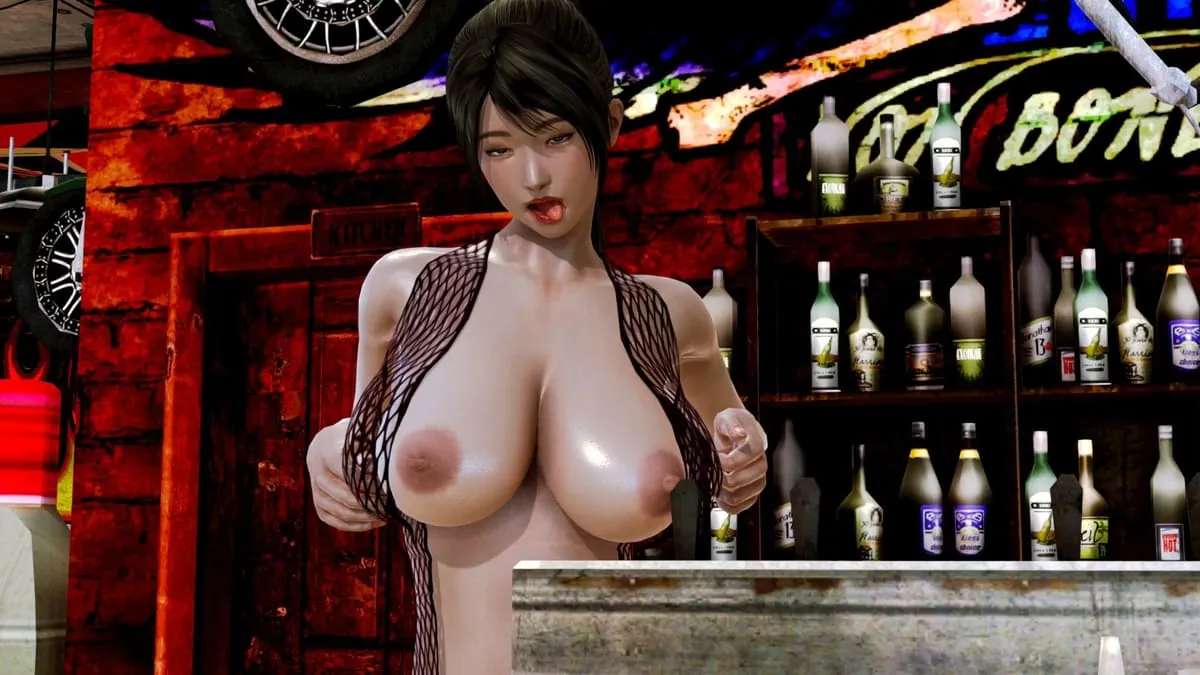
Corruption
Play Corruption
Corruption Screenshots











Corruption review
Master the stat system and character progression in this adult narrative experience
Understanding the mechanics behind character development in adult narrative games requires knowledge of how different stat systems interact and influence story outcomes. The corruption system in this game represents a core mechanic that determines character behavior, available actions, and relationship progression. This guide explores how corruption functions alongside trust mechanics, what triggers stat changes, and how these systems create meaningful player choices that reshape the narrative experience. Whether you’re optimizing for specific character paths or seeking to understand the game’s design philosophy, mastering these mechanics unlocks deeper engagement with the story.
Understanding the Corruption Stat System
Ever felt like you’re talking to a brick wall with a character in a narrative game? 🧱 You’re picking all the “right” dialogue options, being kind and supportive, but somehow you’re stuck in the friend zone of the story, watching the juiciest narrative branches remain locked away. I’ve been there, scratching my head, wondering what secret handshake I was missing. 🤝
Then I played this game, and it all clicked. The key isn’t just being nice; it’s about understanding a delicate, dark, and utterly fascinating dance between two core stats: Corruption and Trust. This isn’t a simple good-evil slider. It’s a sophisticated corruption stat system that governs every meaningful choice, every unlocked scene, and ultimately, the destiny of every character you meet. Think of it as the hidden wiring behind the narrative facade, and mastering it is how you truly bend the story to your will. 😈
What is Corruption and How Does It Work?
Let’s cut to the chase. In this game, Corruption isn’t just a vague concept of “being bad.” It’s a precise, numerical measure of a character’s moral erosion and their growing willingness to explore their deepest, most forbidden desires. 📊 It represents a shift in their boundaries, their inhibitions, and their very identity.
Mechanically, character corruption mechanics work like this: each major character has their own hidden Corruption score that tracks their personal journey. This score isn’t static—it’s a fluid number that changes based on your direct and indirect influence through dialogue choices, story events, and specific requests you make.
The magic (and the strategy) lies in the corruption threshold requirements. The game world and your interactions with characters are gated by these specific numerical milestones. For instance, a character might be friendly and flirty at a low level, but a specific, intimate action may be hard-locked until you’ve guided their corruption to, say, level 7 or higher. It’s a corruption progression guide built into the very code of the experience.
My “Aha!” Moment: I remember early on with the character Rachel. We’d built decent trust, and the chemistry was there, but I hit a narrative wall. No matter what I did, certain options were greyed out. I finally understood after looking at a guide (don’t judge!): I needed to focus on choices that subtly challenged her norms and praised risqué behavior. Once her corruption stat system level hit 9, a whole new dimension of interaction opened up. It wasn’t about forcing anything; it was about patiently shaping the conditions for her to choose to cross that line herself.
This is the core of how corruption affects gameplay. It doesn’t just unlock scenes; it alters character dialogue, their reactions to your presence, and the narrative paths available. A character with high corruption will speak and act fundamentally differently than their “pure” counterpart, offering you a completely different story branch. This is what we mean by character depravity levels—it’s a visible, audible, and interactive transformation.
Corruption vs. Trust: The Dual Stat Framework
This is where most players get tripped up, and it’s the most brilliant part of the design. Corruption and Trust are independent, parallel stats. You can have one high and the other low, both high, or both low. Each combination creates a unique relational dynamic with the character.
- High Trust, Low Corruption: You’re a confidant, a true friend. They share secrets, rely on you for emotional support, but their physical and moral boundaries remain firmly in place. The relationship is deep but potentially chaste.
- High Trust, High Corruption: This is the “golden” path for many players. Here, the character not only feels safe with you (Trust) but has also been guided to willingly abandon their inhibitions (Corruption). They are your partner in deviance, leading to the most consensual and mutually explorative narrative branches.
- Low Trust, High Corruption: A dangerous and volatile mix. The character may act out or engage in risky behavior, but not necessarily with you or for your benefit. They might become unstable, unpredictable, or even hostile. You’ve eroded their morals without earning their loyalty.
- Low Trust, Low Corruption: They simply don’t know you well or like you much. Interactions are basic, and story progression is minimal.
Understanding corruption vs trust mechanics is about strategy. Do you build trust first to create a safe space for corruption to grow? Or do you apply pressure and introduce corrupting choices early, risking their dislike to potentially accelerate their moral decay? There is no single right answer, which is what makes replaying the game so compelling.
To visualize how these corruption threshold requirements work across different personalities, here’s a breakdown:
| Character | Corruption Level 3-4 | Corruption Level 5-7 | Corruption Level 8-10 |
|---|---|---|---|
| Rachel (The Shy Friend) | Accepts slightly risque compliments; wears slightly more revealing casual wear. | Will dance closely at a party; shares secret fantasies in dialogue. | Unlocks private, explicit scenes; wardrobe becomes boldly provocative. |
| Victoria (The Authority Figure) | Accepts minor challenges to her authority; blushes at implied suggestions. | Begins to abuse her power in subtle ways; engages in secretive, inappropriate meetings. | Fully embraces a dominant, exploitative role; public behavior changes dramatically. |
| Maya (The Innocent) | Curiosity about adult topics; tries minor acts of rebellion. | Experiments with alcohol or minor rule-breaking; seeks thrill. | Complete loss of innocence; leads others into corruption; cynical worldview. |
How Corruption Affects Character Behavior and Availability
So, you’re managing these stats. What does it actually look and feel like in the game? The impact is profound and woven into every interaction.
1. Dialogue and Voice: This is the most immediate change. A character’s speech patterns evolve. Innocent phrases are replaced with double entendres or direct propositions. Hesitation vanishes. Their tone might shift from nervous to confident, or from sweet to sarcastic and jaded. You are literally listening to their personality transform based on your influence through the corruption stat system.
2. Visual Appearance & Animation: The game reflects character depravity levels visually. Clothing becomes more revealing or suggestive as thresholds are crossed (remember Rachel’s bikini top at level 9? 👙). Posture and animations change—a character who once crossed her arms defensively might later stand with open, inviting body language. Their expressions shift from blushing and looking away to making direct, knowing eye contact.
3. Narrative Availability & Agency: This is the big one for how corruption affects gameplay. Characters with high corruption will:
* Seek you out for more intense interactions.
* Initiate scenes and choices that were previously unavailable.
* Make requests of you that align with their new, corrupted mindset.
* Unlock entirely new locations or scenarios that are only accessible in their “depraved” story arc.
4. Interaction with Other Characters: Your corruption of one character can ripple out. They might talk about you differently to others, or even begin to actively corrupt their friends, creating a chain reaction that alters the entire social landscape of the game. This systemic effect is where the character corruption mechanics truly shine, making the world feel alive and reactive.
Let’s walk through a concrete example of how corruption accumulates and the strategic choices involved.
Scenario: A Pool Party with Sarah.
Sarah is modest and a bit reserved. You find her by the pool in a one-piece swimsuit.
- Choice A (Trust-Building, Low Corruption): “The water looks great! You should come join us.” (Result: +2 Trust, +0 Corruption. She smiles and feels included.)
- Choice B (Neutral Flirt, Moderate Corruption): “That suit looks nice on you.” (Result: +1 Trust, +1 Corruption. She blushes and says thank you.)
- Choice C (Direct Pressure, High Corruption): “That one-piece is cute, but wouldn’t you be more comfortable in a bikini? I bet you’d look amazing.” (Result: +0 Trust, +3 Corruption. She looks flustered and mutters, “Maybe…”)
See the trade-off? Choice C gives a big boost to the corruption progression guide for Sarah, potentially unlocking her bikini-wearing threshold much faster. However, you gain no trust and might even risk losing some if she finds you too pushy. Choice A is the “safe” play, strengthening your bond but keeping her in her comfort zone. The corruption vs trust mechanics demand you think: “What is my goal for this character in this playthrough?”
The beauty of this corruption stat system is that it turns every playthrough into a unique experiment. Will you create a harem of mutually corrupted confidants? Or lead one specific character down a dark path while keeping everyone else pristine? Will you see how high you can push character depravity levels just to witness the dramatic narrative collapse? The system provides the framework for countless stories, making you not just a player, but the architect of each character’s fall—or their redemption. Your management of corruption threshold requirements is the brush with which you paint the story. 🎨
The corruption system represents a sophisticated approach to player agency in narrative-driven games, creating meaningful consequences for every dialogue choice and action. By understanding how corruption interacts with trust mechanics and character-specific thresholds, players can strategically navigate relationships and unlock content aligned with their preferred playstyle. Whether pursuing hardcore or soft paths with characters, managing these stats effectively transforms the experience from random exploration into intentional progression. The beauty of this system lies in its ability to create genuinely different stories across multiple playthroughs, rewarding players who experiment with various approaches and character combinations.