Demons of the Hearth
Play Demons of the Hearth
Demons of the Hearth Screenshots
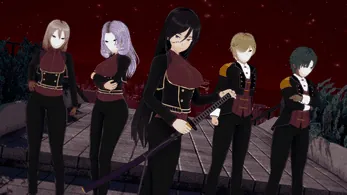


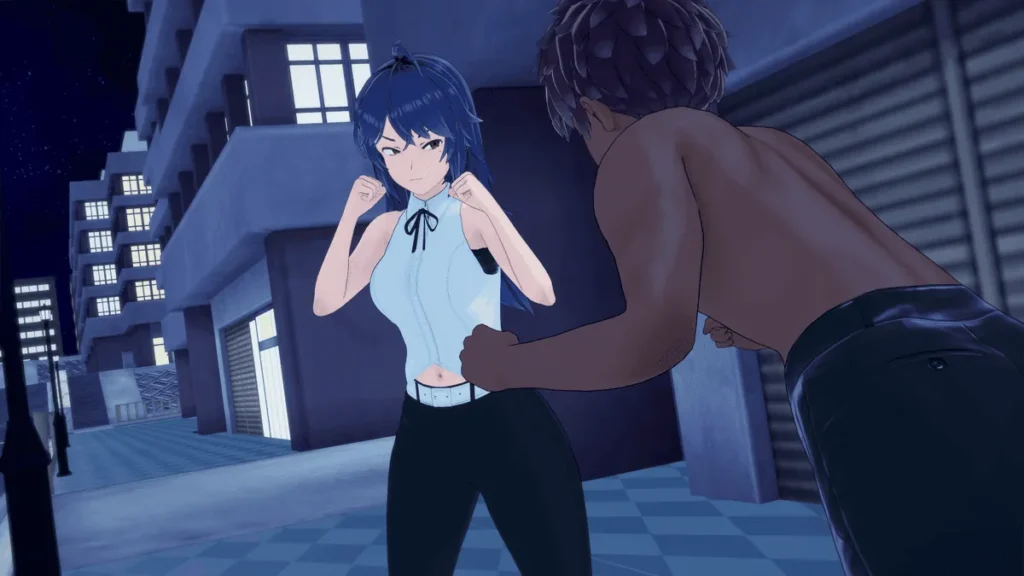
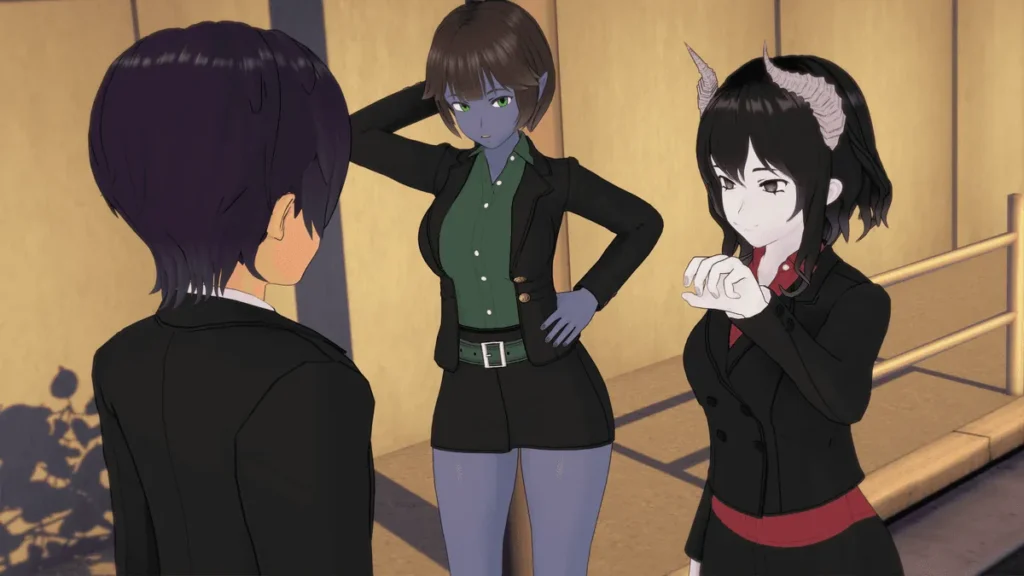
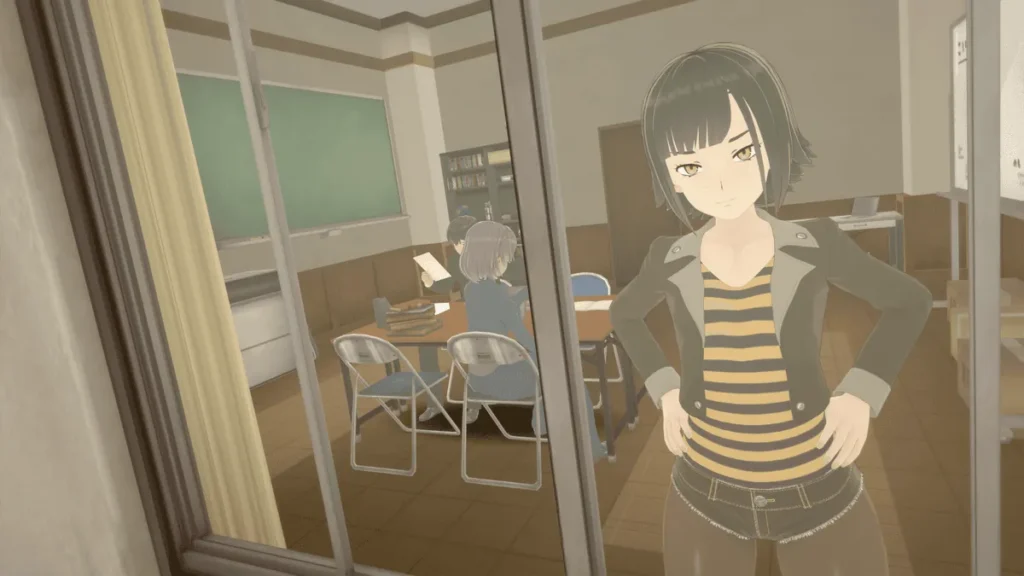



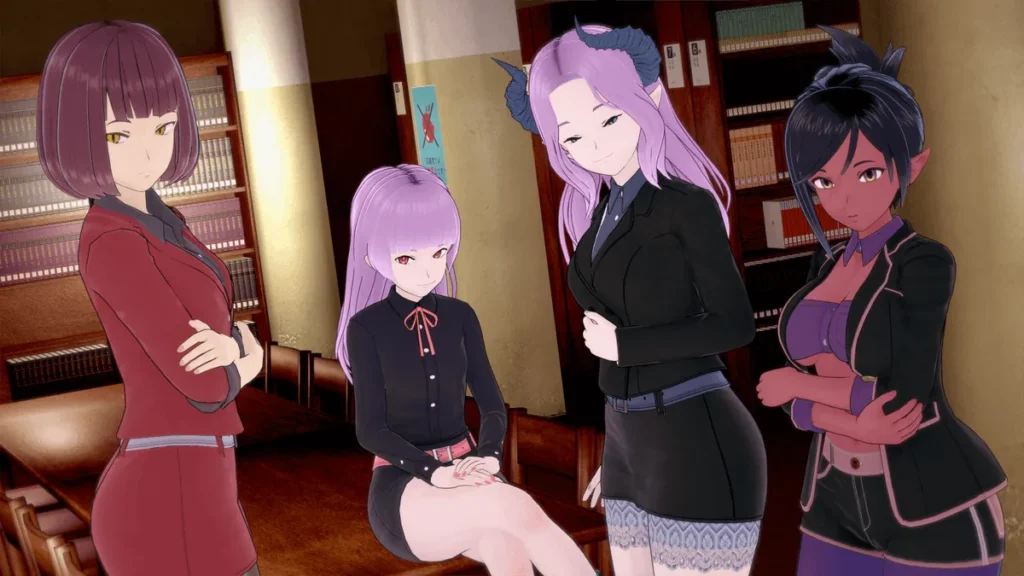
Demons of the Hearth review
Dive into Interactive Storytelling, Characters, and Intimate Gameplay
Ever stumbled upon a game that feels like a personal thriller unfolding right in your living room? That’s Demons of the Hearth for you—an interactive storytelling masterpiece by Konvel that turns family drama into an epic quest. I remember my first playthrough: inheriting a rundown house, uncovering dark secrets with quirky family members and mysterious neighbors. The Demons of the Hearth blends gripping narrative, deep character bonds, and steamy encounters that kept me hooked for hours. If you’re wondering about its plot twists, trust-building tricks, or those side quests that ramp up the heat, this guide has you covered. Let’s explore why this adult visual novel stands out in the genre.
What Makes Demons of the Hearth Gameplay So Addictive?
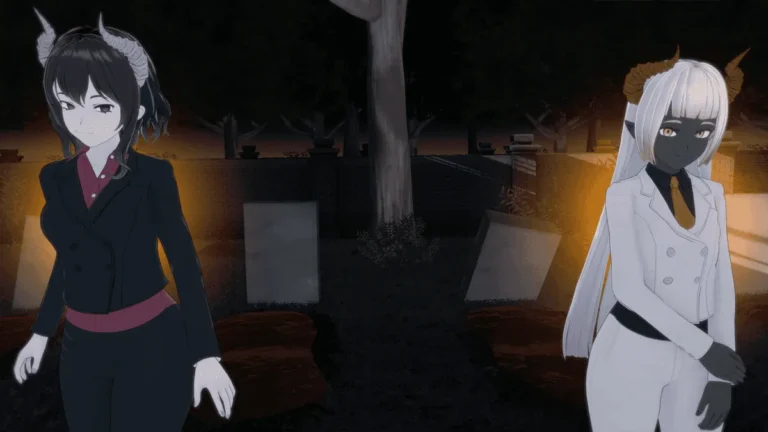
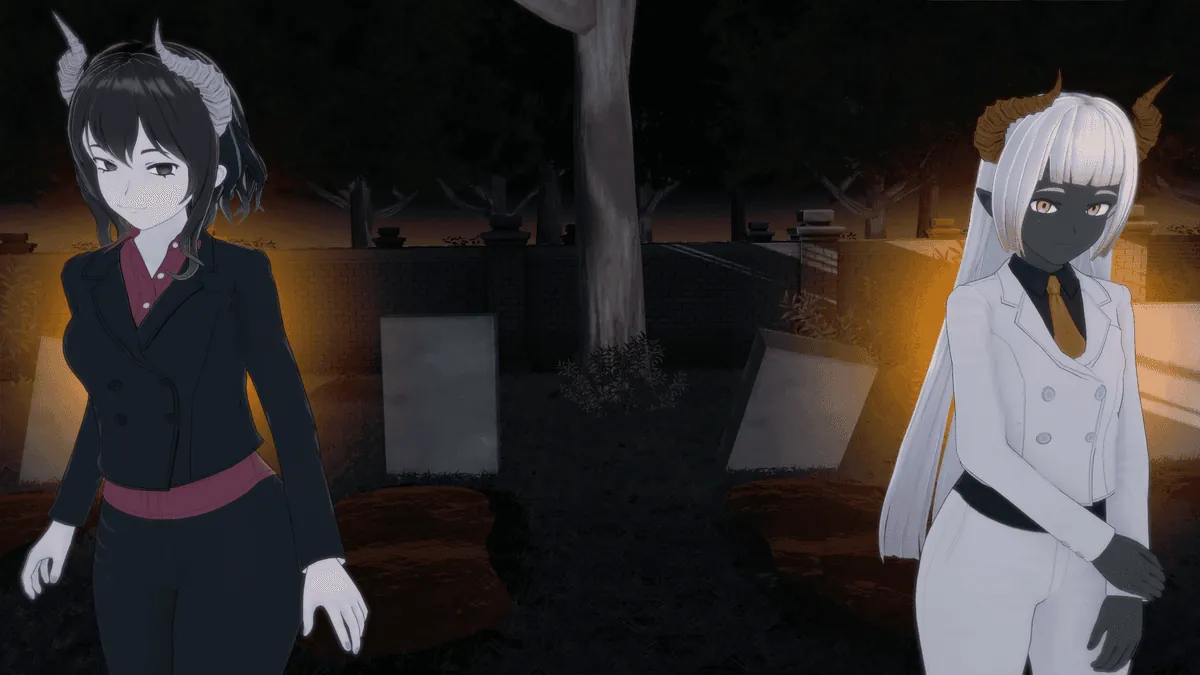
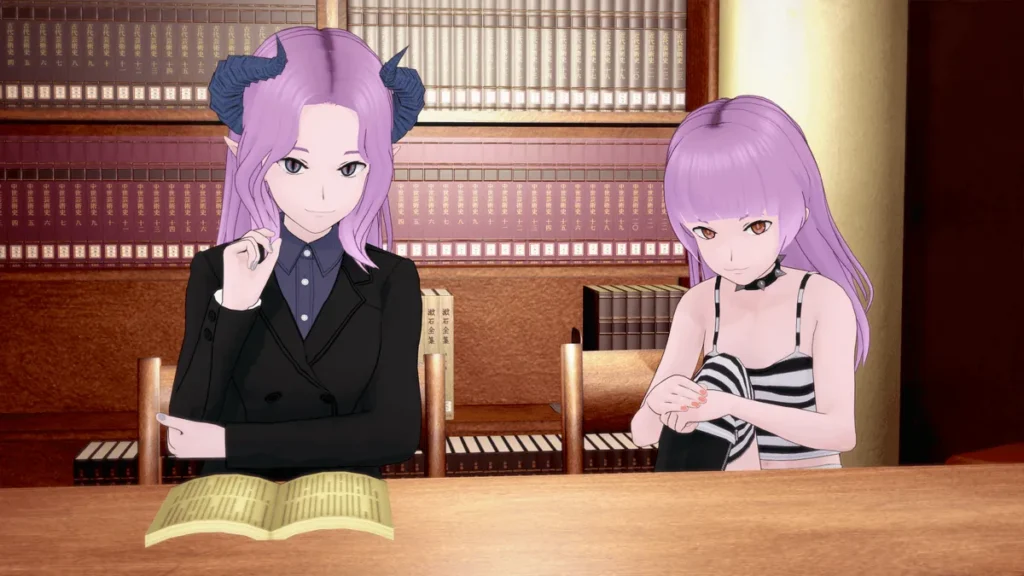
I still remember the moment I thought I’d broken Demons of the Hearth. I was wandering the beautifully rendered, eerie Victorian house in sandbox mode Demons of the Hearth, clicking on everything, trying to spark some kind of reaction. I’d talked to everyone, examined every trinket on the mantle, and… nothing. The story felt frozen. I was about to reload an old save when, on a whim, I had my character simply sit in the library after midnight, reading a specific, seemingly innocuous book I’d found earlier. The fire in the hearth guttered, the shadows lengthened, and a character I’d only exchanged pleasantries with silently entered the room, confessing a fear they’d never share in the daylight. A major event trigger in Demons of the Hearth had just unlocked, not through a quest marker, but through atmosphere and choice.
That’s the magic of this game. It doesn’t hold your hand; it holds your gaze, inviting you to look closer. The Demons of the Hearth gameplay loop is a deceptively simple yet profoundly deep cycle of observation, interaction, and consequence. You’re not just completing tasks; you’re living a life within these walls, and every small action ripples outwards. What makes it so utterly absorbing isn’t a flashy combat system or a sprawling map—it’s the feeling that your curiosity is directly rewarded with story.
How Does the Trust System Drive Your Choices?
At the absolute heart of your journey is the trust system Demons of the Hearth. Forget morality meters or simple like/dislike bars. This is a nuanced, living network of relationships that changes based on how you communicate, not just what you say. Building trust isn’t about constant agreement or gift-giving; it’s about being a authentic, attentive presence in these characters’ strained lives.
Think of it this way: blindly agreeing with a character might net you a small, temporary trust increase. But respectfully challenging their deeply-held, flawed belief? That shows you’re truly listening and engaging. It might cause a short-term friction, but if your argument is sound and compassionate, it can unlock a massive, permanent leap in trust and open dialogue paths that sycophancy never could. For example, agreeing with a character’s paranoid isolation keeps them comfortable. Gently insisting they join the household for tea, despite their protests, demonstrates care for their well-being over their immediate mood, potentially triggering a breakthrough event later.
The system tracks consistency. If you advocate for honesty in one interaction, then get caught in a lie later, the damage is severe. Your actions in the sandbox mode Demons of the Hearth, like choosing to investigate someone’s private belongings or defending them in their absence, are silently logged into these hidden relational ledgers. This is how you progress Demons of the Hearth in a meaningful way: trust is the key that unlocks character-specific story arcs, intimate confession scenes, and the ability to influence their personal demons.
To visualize the different approaches, here’s a breakdown of core strategies:
| Strategy | Example Interaction | Outcome Impact |
|---|---|---|
| Agreement & Support | “You’re right to feel that way. I’m here for you.” | Provides immediate comfort, builds a baseline of safety. Unlocks gentle, slower-burn character moments. |
| Respectful Disagreement | “I hear your fear, but shutting everyone out may cause more pain. Let me help.” | Risks short-term tension but can trigger major breakthroughs, unlocking pivotal, high-trust events and unique story branches. |
| Consistent Listening & Observation | Remembering a prior confession and referencing it later. (“Last week you mentioned your sister…”) | The most powerful method. Demonstrates genuine care, often unlocking secret, highly personal side quests and dialogue no other method can reach. |
Mastering Sandbox Mode and Event Triggers
Many players hit a wall here, just like I did. Sandbox mode Demons of the Hearth isn’t a free-play area separate from the story—it is the story’s engine. The game world operates on a subtle schedule of moods, times of day, and shifting character states. Progression isn’t blocked by level gates, but by world states. You might need “Character A feeling hopeful” and “Rainy weather” for a specific plot event to be possible.
Here’s my actionable advice for navigating this beautifully complex space:
- Check the Main Menu Hints: After each major interaction or at the start of a play session, open the main menu. The narrative hints here are gold dust. A line like “The air in the east wing feels heavy with unspoken words” isn’t just flavor text—it’s a direct clue that an event trigger in Demons of the Hearth is primed in that location.
- Time and Place are Everything: Entering the drawing room during a lively afternoon might yield gossip. Entering that same room at night, alone, might yield a spectral echo or a hidden letter. Want a heartfelt conversation? Catch a character at the hearth in the evening. Want to discover secrets? Explore when everyone is asleep.
- Avoid Progression Blocks: If you’re stuck on how to progress Demons of the Hearth, ask yourself: Have I altered the world’s emotional state recently? Sometimes, advancing the main plot requires completing a Demons of the Hearth side quest for a secondary character first, changing the group’s dynamic enough for the next main beat to occur. The game waits for the right mood, not just the right action.
This approach makes every playthrough unique. Your choices in the sandbox directly seed which events become available, creating a story that feels personally authored.
Uncovering Side Quests for Deeper Immersion
The Demons of the Hearth side quests are where the game’s soul truly shines. These aren’t fetched quests marked with exclamation points. They are fragile, emotional vignettes that trigger unexpectedly based on your actions and built trust. You might find a faded photograph tucked in a book, and only by mentioning it to the right person, at a moment when they seem nostalgic, will the quest begin.
Their emotional impact is staggering. One might involve helping a character finally bury a symbolic item from their past, which plays out in a quiet, wordless scene of immense catharsis. Another might require you to mediate a decades-old, silent feud between two residents by carefully presenting evidence of their mutual care. Completing these doesn’t just give you an item; it fundamentally changes your relationship with the characters and the atmosphere of the house itself.
This is the core of the game’s replay value. On a second playthrough, knowing a character’s hidden pain, you can make different choices in the sandbox to uncover their side quest much earlier, radically altering the flow of the main narrative. The hidden stats Demons of the Hearth track your protagonist’s developing personality—are you becoming “Inquisitive,” “Empathetic,” “Resolute”? These stats, shaped by hundreds of micro-choices in side content, can determine which ultimate resolutions are even available to you.
So, how do you balance this all for an efficient, fulfilling playthrough? Don’t try to “complete” everything in one go. That’s against the game’s spirit. Instead, dedicate playthroughs to perspectives. In one, be fiercely protective and kind. In another, be ruthlessly curious and challenging. Watch how the same sandbox mode Demons of the Hearth yields completely different stories. Treat it less like a game to be solved and more like a novel you’re co-writing, where your input changes the genre from a tragedy to a hopeful redemption story.
It’s like watching a masterful, intimate movie where you don’t just control the protagonist—you influence the script, the cinematography, and the emotional payoff of every scene. This is why Demons of the Hearth gameplay feels so revolutionary and addictive. It respects your time and intelligence. There’s no grinding, no filler. Every moment is potential, every interaction is story. You’re not playing to see a percentage go up; you’re playing to discover what happens to the people in this house when someone truly sees them. And that is a purpose worth getting addicted to.
💡 Pro Tip: If you feel overwhelmed, pause. Sit your character in a room and just let the ambient sounds and dialogue play. The game will often signal its next move through environmental storytelling.
FAQs: Your Demons of the Hearth Progression Questions Answered
-
How do I unlock new events?
Focus on depth, not breadth with characters. Build trust through consistent behavior and meaningful conversations. Most events unlock when a character’s trust in you reaches a new tier or when specific world conditions (time, weather, other completed events) align. -
What if I’m stuck in sandbox mode and nothing is happening?
First, check the main menu narrative hints. Second, change the in-game time drastically (e.g., skip to late night or early morning) and re-explore. Third, try to alter a character’s mood by finding and discussing a personal item with them. Stagnation usually means you need to shift an emotional world state. -
Do my choices actually affect the endings?
Absolutely, and profoundly. The endings are not simple A/B choices at the finale. They are the culmination of every major trust decision, side quest resolution, and the hidden personality stats of your main character. Two players can make different choices in Chapter 1 and receive entirely different ending scenarios. -
Can I miss side quests permanently?
Yes, and this is intentional. Certain side quests are only available if you make specific choices or discover triggers at a certain point in the story. This makes each playthrough personal and encourages replayability to see the content you missed. -
Is there a “right” way to build trust?
No. The most rewarding narratives often come from a mix of support and respectful challenge. A character who is only agreed with may remain stuck in their dysfunction. Your role is to be a catalyst for change, not a mirror.
Demons of the Hearth isn’t just another interactive tale—it’s a heartfelt journey of mending bonds amid mysteries and passions that linger long after the credits. From the nuanced trust mechanics and pulse-pounding side quests to characters who feel like old friends (or more), this game delivers emotional depth and replayable thrills. My advice? Dive in today, experiment with choices, and let the hearth’s secrets unfold. Grab it on itch.io, start your playthrough, and share your wildest story branches in the comments—what’s your favorite character moment so far?