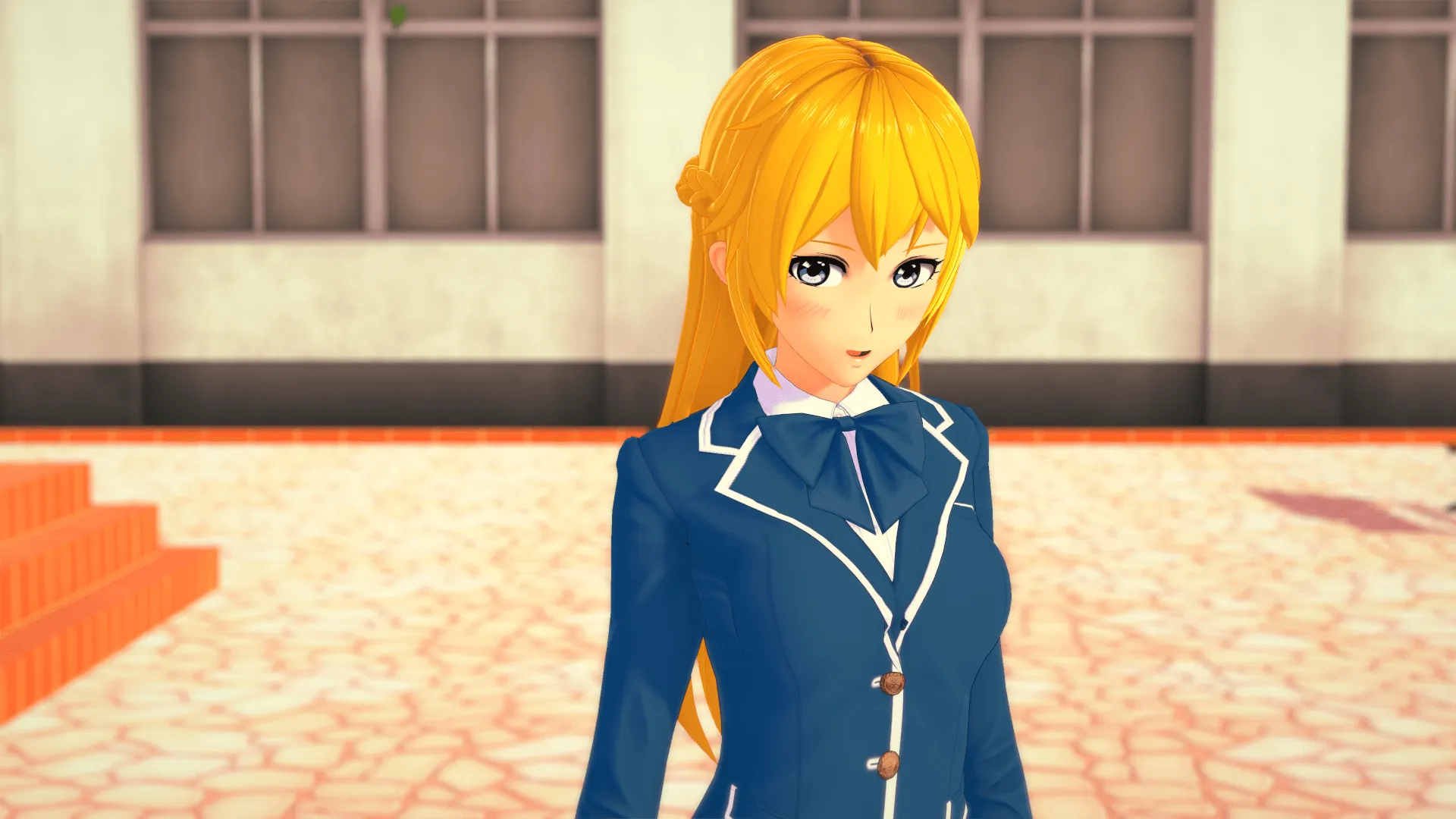
Ripples
Play Ripples
Ripples Screenshots




















Ripples review
Explore the story, choices, and emotional journey of Ripples
Ripples is a choice-driven visual novel that pulls players into a world of deep emotions, complex relationships, and branching storylines. Set in a sci-fi universe, the game follows an 18-year-old navigating his final year of high school while uncovering secrets about his past. With its mature themes, detailed artwork, and impactful decisions, Ripples stands out as a unique experience for fans of interactive storytelling. If you’re curious about what makes Ripples special, how it unfolds, and what to expect from its narrative, this guide covers everything you need to know.
Understanding Ripples: Story and Gameplay
So, you’ve heard the buzz about Ripples, maybe seen a stunning screenshot, and you’re curious. What’s the deal with this visual novel that has people talking about its emotional weight and complex choices? 🤔 Let me pull up a virtual chair and tell you about my time with it. I went in expecting a neat sci-fi tale, but I wasn’t prepared for how deeply it would hook into my own sense of morality and consequence. It’s more than a story you read; it’s an experience you live through, and that’s what makes this Ripples visual novel so special.
What is Ripples About?
At its heart, Ripples is a story about memory, identity, and the price of a second chance. You step into the worn-out shoes of Leo, a former neuroscientist living a bleak, disconnected life in a sprawling, rain-slicked metropolis. His world is a masterclass in hard sci-fi—think less flashy starships and more the gritty, believable tech of tomorrow, where quantum data storage and neural interfaces are mundane tools. Leo’s past is a locked box, haunted by a catastrophic event he can’t remember.
The Ripples story begins when he’s offered a controversial, illegal procedure: a chance to literally dive into his own submerged memories using experimental technology. It’s not just about watching the past; it’s about reliving it, with the terrifying power to alter moments. This premise sets the stage for an intensely personal emotional journey. Is it healing, or is it a form of psychological self-destruction? The Ripples sci-fi setting isn’t just a backdrop; it’s the crucible that makes this deeply human question possible.
The narrative weaves mature themes of grief, guilt, and redemption with a tight, psychological focus. You’re not saving the galaxy; you’re trying to save a man’s soul, and the line between fixing a mistake and erasing who you are becomes dangerously thin. 🧠
| Element | Description in Ripples |
|---|---|
| Protagonist | Leo, a guilt-ridden ex-neuroscientist grappling with amnesia and a haunted past. |
| Setting | A near-future, cyberpunk-tinged metropolis grounded in plausible, “hard” sci-fi technology. |
| Core Themes | Memory, identity, guilt, redemption, and the ethics of altering one’s own past. |
| Gameplay Style | A choice-driven narrative where decisions directly reshape the story and character relationships. |
How Choices Shape the Story
This is where the Ripples gameplay truly shines and separates itself from a passive read. Every dialogue option, every memory you choose to examine (or avoid), and every interaction isn’t just flavor—it’s architecture. The Ripples choices system is beautifully woven into the theme of memory. Your decisions create literal “ripples” that cascade through the timeline, altering future conversations, unlocking or sealing away entire story branches, and fundamentally changing how characters perceive and interact with Leo.
There is no “good” or “evil” meter here. Instead, you’re navigating a moral calculus of introspection. Do you push Leo to confront a painful truth head-on, potentially breaking him, or guide him toward a gentler, perhaps self-deceptive, understanding? The game tracks your psychological profile—are you steering Leo toward aggressive closure, passive acceptance, or something in between? I replayed a key chapter three times, and the different outcomes for a single supporting character were staggering, from tragic alienation to fragile reconciliation.
Tip: Don’t rush your choices in Ripples. Sit with the moment. The most impactful decisions often feel the most uncomfortably personal.
Let me give you an example from my playthrough. Early on, you meet Maya, a former colleague whose life was upended by the same event that ruined Leo. In a tense conversation, she challenges Leo’s version of the past. The game presents you with a seemingly simple Ripples gameplay choice:
* Option A: “You’re right. I ran.” (Admit cowardice)
* Option B: “There was nothing I could do!” (Defend with anger)
* Option C: Say nothing. (Silent withdrawal)
I chose Option A, the admission of guilt. This single moment of vulnerability didn’t just change Maya’s arc; it opened up an entire sub-plot of shared therapy later in the game, where we worked through the trauma together. Choosing anger (B) made her a distant antagonist for chapters. Silence (C) led to her leaving the narrative entirely, her story forever unresolved. That’s the power this visual novel holds—your agency feels immense and deeply consequential. 🌊
Art Style and Character Design
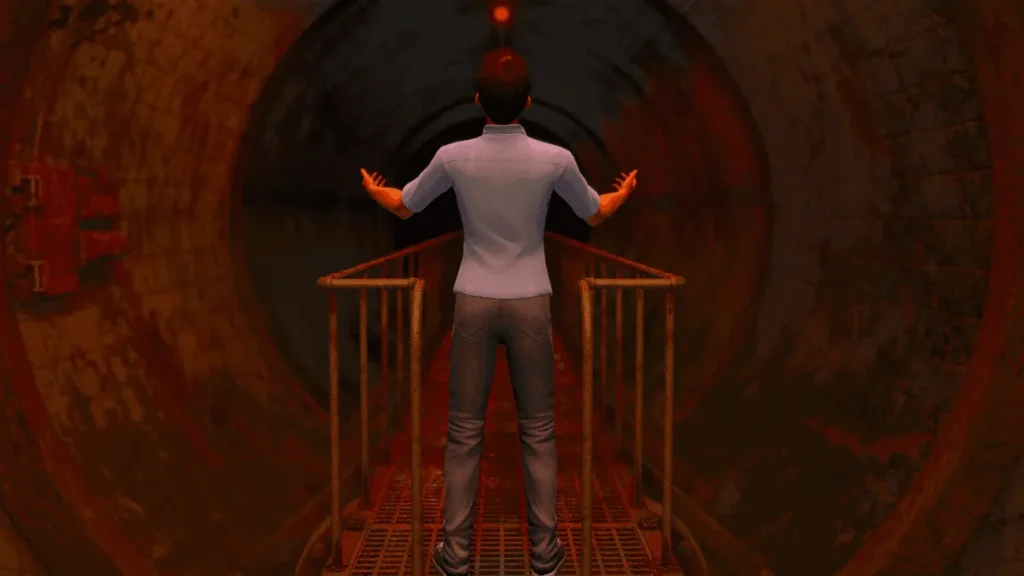
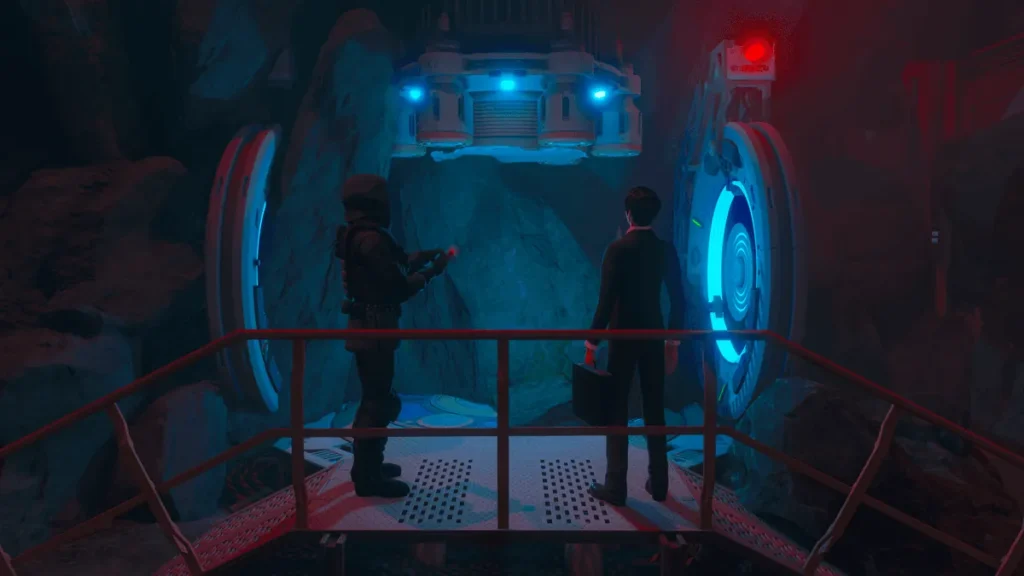
The world of Ripples is brought to life through a Ripples art style that is nothing short of breathtaking. It employs detailed, hand-painted 2D backgrounds that ooze atmosphere. The city feels alive in its gloom—neon signs reflect in perpetual puddles, crowded apartment blocks stretch into a smoggy sky, and sterile lab environments feel chillingly empty. The use of light and shadow is cinematic, often focusing your attention on a character’s expression or a key object in the scene, directly supporting the narrative’s emotional beats. ✨
Where the art truly sings, however, is in the Ripples character design. Each character is rendered with an astonishing level of detail, from the subtle weariness in Leo’s eyes to the precise body language of side characters. The designs tell their own stories. Leo’s slightly slouched posture and practical, worn clothing speak volumes about his defeated state. In contrast, characters from his past, seen in memory sequences, are visually brighter, softer, highlighting what was lost.
The Ripples character design excels in its expressiveness. During pivotal conversations, slight shifts in a character’s gaze, a hesitant lip movement, or a clenched fist communicate more than words sometimes could. This visual storytelling ensures you’re always feeling the subtext of every interaction. The Ripples art style masterfully blends the high-tech elements of its sci-fi world with raw, human emotion, making the futuristic setting feel intimately real and the personal drama feel epic in scale.
Ultimately, Ripples is a package where every element—the gripping story, the punishingly meaningful choices, and the evocative art—works in perfect harmony. It invites you not just to witness a man’s journey through his past, but to become the architect of his future, for better or worse. It’s an experience that lingers, like the memory of a important dream, long after you’ve put it down.
Ripples offers a rich, immersive experience for fans of visual novels and interactive storytelling. Its blend of emotional depth, mature themes, and player-driven choices makes it a standout title in the genre. Whether you’re drawn to its sci-fi setting, detailed artwork, or the impact of your decisions on the narrative, Ripples delivers a memorable journey. If you’re ready to explore a story where every choice matters, Ripples is a game worth experiencing.