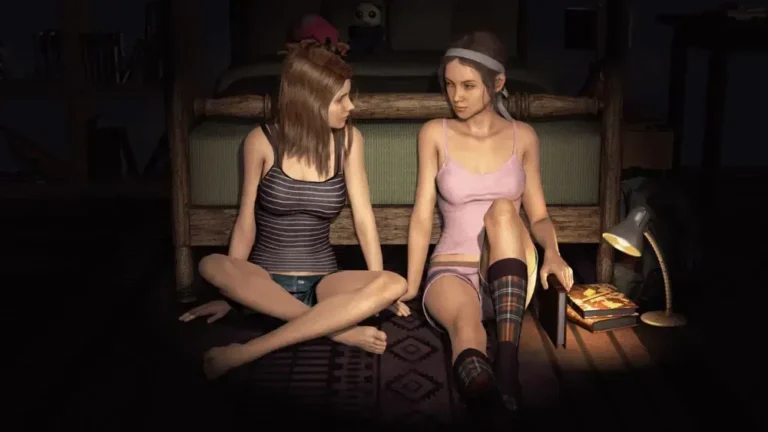
Short Sad Stories
Play Short Sad Stories
Short Sad Stories Screenshots


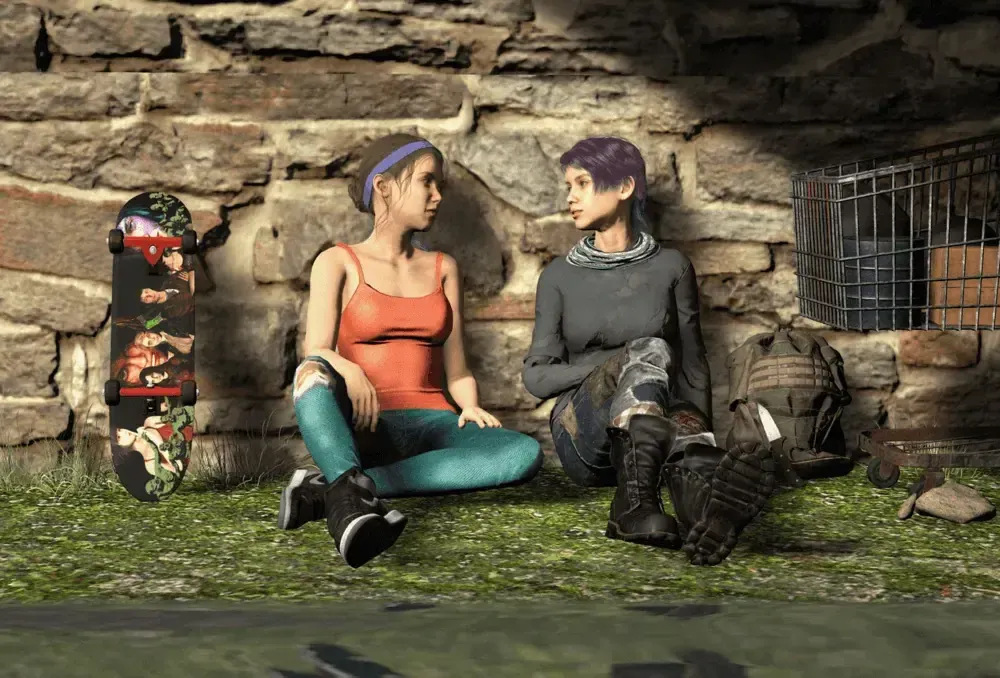
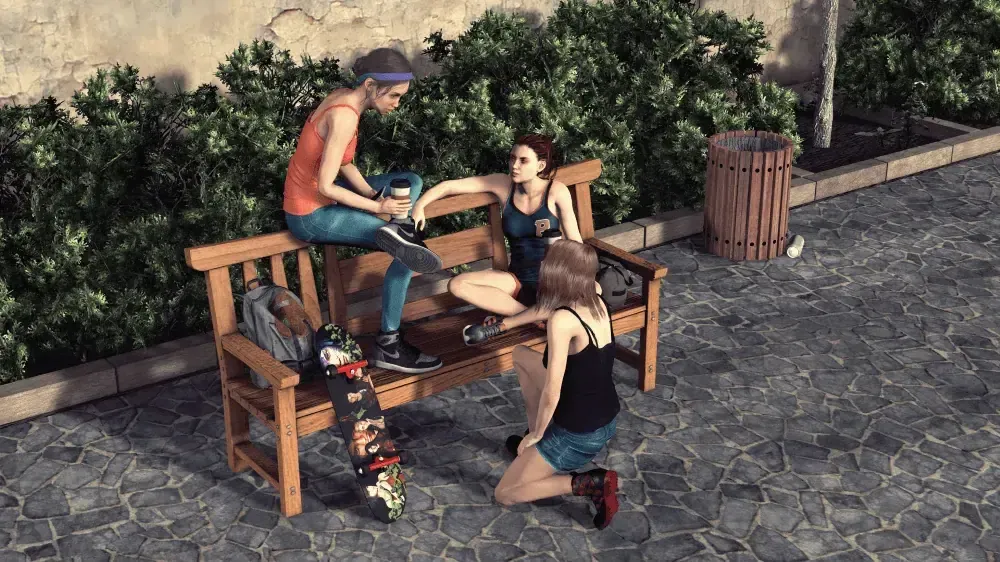
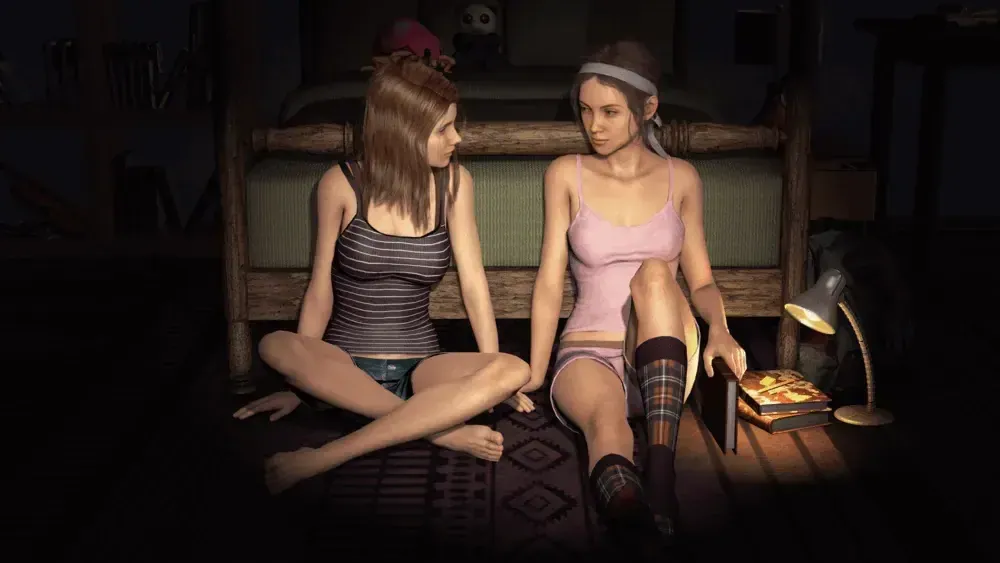
Short Sad Stories review
Dive into heartfelt narratives, choices, and intimate moments in Pent Panda’s captivating game
Imagine stepping into a world where every choice tugs at your heartstrings, blending raw emotion with intimate encounters in Short Sad Stories. This Pent Panda gem, available in Final + DLC version, follows young adults navigating love, loss, and hidden desires in a bustling city. As a visual novel with branching paths, it hooked me from the first scene—Alice’s dreamy struggle between reality and fantasy felt so real. Whether you’re here for the poignant tales, player-driven drama, or steamy moments, this guide uncovers why Short Sad Stories stands out. Let’s explore its depths together.
What Makes Short Sad Stories Gameplay So Addictive?
I still remember my first playthrough of Short Sad Stories. I was just exploring, clicking through Alice’s early interactions with her friend group, trying to be a good listener. Then came a seemingly small visual novel choice: comfort Mia about her art block, or push Leo to open up about his family. I chose Mia, thinking it was the kinder path. Hours later, that single decision led me to a quiet, unexpected moment with Leo on the balcony—a scene of raw vulnerability that felt more intimate than any physical encounter. It wasn’t in my “plan,” but it was perfect. That’s the magic of Short Sad Stories gameplay. You don’t just watch a story; you live inside its fragile, beating heart.
The game’s power lies in making you feel every ounce of that player agency visual novel fans crave. Your cursor isn’t just a tool; it’s a lifeline you throw to characters drowning in their own sorrows.
How Player Choices Shape Branching Narratives
At its core, Short Sad Stories is a masterclass in branching narratives. Think of the story not as a straight line, but as a delicate web of connections between five grieving friends. Every dialogue option, every decision to spend time with one character over another, tightens or loosens the threads of that web.
The genius is that your choices rarely change the ultimate, sad outcome—someone in this group is gone, and that loss is the anchor. Instead, how choices affect Short Sad Stories is by determining how each character processes that grief, and what part of themselves they reveal to you, and to each other, along the way. It’s about the journey, not the destination.
For example, prioritizing Alice might unlock scenes where she confronts her guilt through frantic activity, leading to a passionate, almost desperate connection as she seeks comfort. Ignoring her might see her spiral into isolation, resulting in a colder, more bittersweet ending for her arc. Chasing Leo’s story could reveal the protective older brother persona cracking, while focusing on Mia might expose the artistic melancholy she hides behind a bright smile. You’re essentially curating the emotional lens through which the group’s tragedy is viewed.
This creates incredible replay value. That first playthrough is your story. The second is about fixing your regrets, or exploring the paths you ignored. The third? You start to see the hidden connections, the glances you missed, understanding that your visual novel choices didn’t just affect one character, but subtly shifted the entire group’s dynamic. It’s a profound demonstration of Short Sad Stories multiple endings; not just “good” or “bad,” but a spectrum of emotional resolutions for each character based on your influence.
Exploring Emotional Mechanics and Intimate Interactions
Beyond dialogue trees, Short Sad Stories employs brilliant emotional game mechanics that translate feeling into action. You don’t just read about regret; you manually sift through a deceased friend’s belongings in an “item curation” mini-game, each object a tiny stab of memory. You don’t just hear about a past argument; you trigger “memory replays” where you can briefly control the past character, helpless to change the outcome but fully feeling its weight.
Intimate moments are woven into this fabric not as titillation, but as another form of emotional game mechanics. In a story about loss, physical closeness becomes a language—a way to scream, to cry, or to whisper when words fail. A tender scene might emerge from a shared moment of silence, a desperate one from a fight, a comforting one from a breakthrough. Whether it’s a hesitant touch that leads to more, or a passionate encounter born from shared pain, these scenes are earned through your narrative choices. They are the emotional payoff for the trust and understanding you’ve built, making them feel integral and deeply human.
| Story Arc Focus | Core Mechanics Involved | Emotional Payoff & Intimate Twist |
|---|---|---|
| Alice’s Guilt | Memory Replays, Quick-Time Comfort Actions | A climactic scene driven by release from burden, often passionate and cathartic. |
| Leo’s Protective Shell | Item Curation (his sibling’s things), Dialogue Patience | A slow-burn vulnerability leading to a deeply tender, confessional moment. |
| Mia’s Artistic Block | Environmental Interaction (her sketches), Encouraging Choices | Reclaimed inspiration expressed through a bold, creatively charged connection. |
| Group Dynamic Repair | Balancing Time Allocation, Mediating Arguments | A complex, group-affirming moment that strengthens all bonds, sometimes with a surprising pairing. |
Why Multiple Playthroughs Reveal New Layers
You haven’t truly experienced Short Sad Stories until you’ve played it at least twice. The first time is for your heart. The second is for your mind. This is where the Short Sad Stories gameplay loop reveals its depth. Knowing the final tragedy, you start seeing the foreshadowing in every line of dialogue. You notice how a character’s joke in Chapter 2 is actually a mask for their pain, which you can now choose to gently peel back.
Short Sad Stories multiple endings aren’t just checklist items; they’re perspectives. One ending might give you closure with Alice but leave Leo’s story feeling unresolved. Another might reveal a secret romantic history between two characters you never paired. The game masterfully hides entire scenes and pathways that only unlock under specific conditions—like achieving a fragile trust with two characters simultaneously, which can lead to a unique, emotionally charged moment between all three.
This design makes every choice feel dangerously important and wonderfully rewarding. It’s the ultimate reason for the game’s captivation. You’re driven to replay not just to “see everything,” but to understand everything. To piece together the full portrait of this friend group from the fragments you collect across different timelines. It transforms the game from a simple story into a personal investigation of love, loss, and human connection.
My pro tip? Don’t try to “game” the system on your first run. Go with your gut. Your genuine, flawed playthrough will be more meaningful than any guided attempt at a “perfect” ending.
Pent Panda has ensured this experience is accessible, with Short Sad Stories available on Windows, Mac, Linux, and Android. The available DLCs aren’t just extra scenes; they’re heartfelt expansions, adding new layers to existing characters or introducing poignant side stories that echo the main game’s themes.
So, is it just a sad story with adult content? Not at all. It’s a transformative emotional toolkit. It uses its mechanics—the branching narratives Short Sad Stories is built on, the intimate consequences of your visual novel choices—to simulate the beautiful, messy complexity of caring for people. You walk away not just entertained, but subtly changed, carrying a little of that poignant understanding with you.
To help you dive deeper, here are my personal tips for maximizing your journey:
- Embrace the Silence 😶: Often, the most powerful choice is to say nothing at all. Let characters sit in their discomfort; surprising confessions can follow.
- Specialize, Don’t Generalize 🎯: On a replay, commit fully to one character’s perspective. You’ll unlock nuanced scenes you missed when splitting your attention.
- Curate Against Type 🖼️: In the item curation moments, try selecting objects that seem contradictory to the character. This can reveal hidden depths and secret memories.
- Fail with Purpose ❌: Some of the most raw, beautiful scenes are triggered by “failing” a quick-time event or making a “wrong” dialogue choice. Don’t reload immediately!
- Explore the Environment 🔍: Click on everything, especially photos and artwork in the background. Environmental storytelling often holds keys to unlocking special paths.
- Track the Group Photo 📸: Pay attention to how the group photo in the main menu changes slightly between playthroughs. It’s a subtle, brilliant reflection of your impact on their dynamic.
- Listen to the Score 🎵: The music dynamically shifts based on your relationship levels. A tense string piece might soften into a piano melody as you break through to a character—a fantastic audio cue.
Short Sad Stories lingers long after the credits roll, with its blend of heartbreaking tales, meaningful choices, and tender intimacies creating a truly personal journey. From Alice’s dual worlds to the group’s shared struggles, Pent Panda crafts an experience that feels alive and achingly human. I still think about that one ending where reconciliation turned bittersweet—grab the Final + DLC, fire it up on your device, and let it pull you in. What’s your take? Share in the comments and dive into this emotional adventure today.