Tales of Unity
Play Tales of Unity
Tales of Unity Screenshots
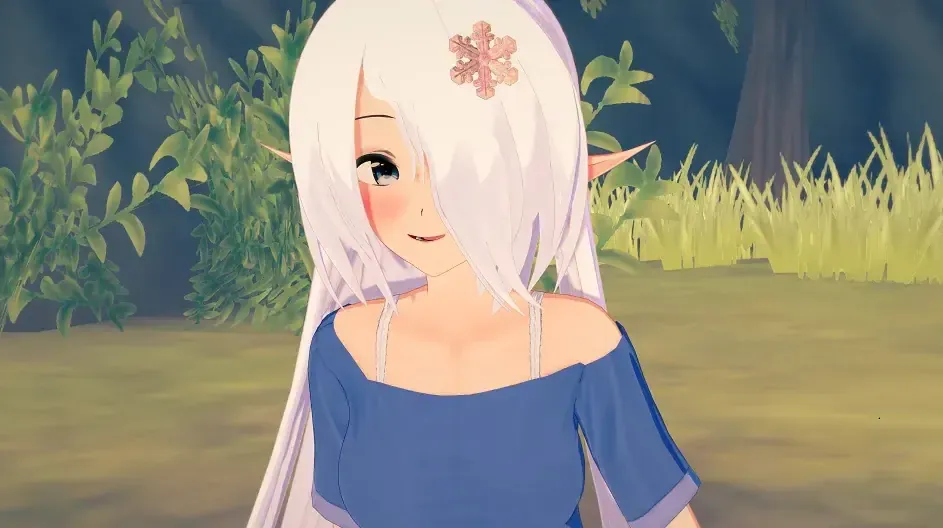
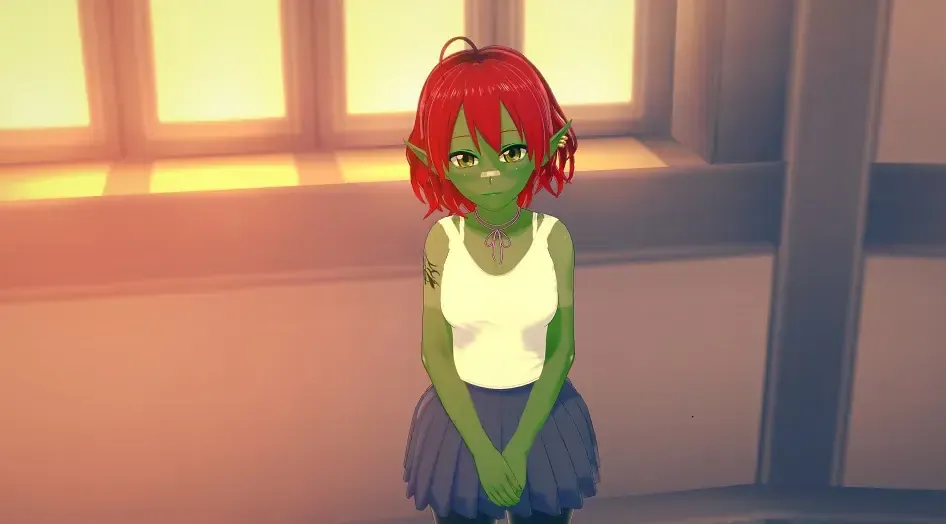
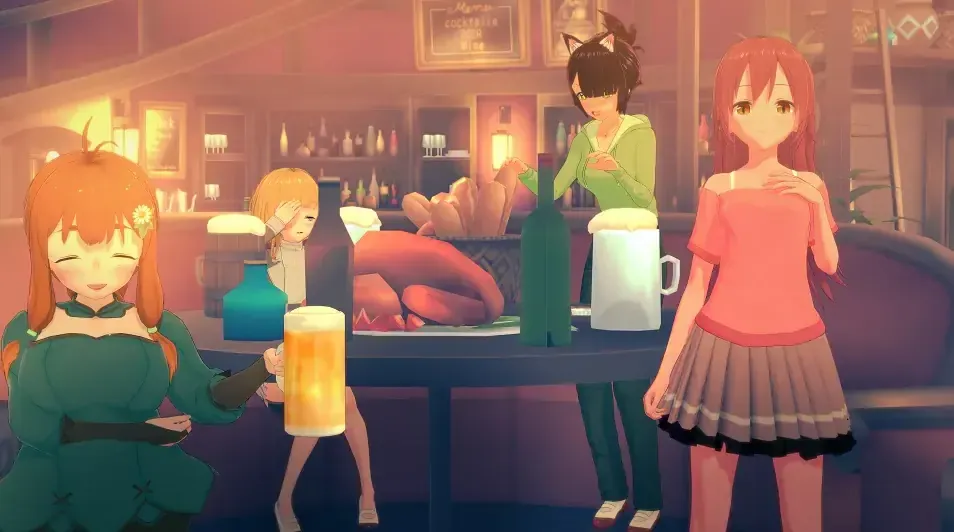
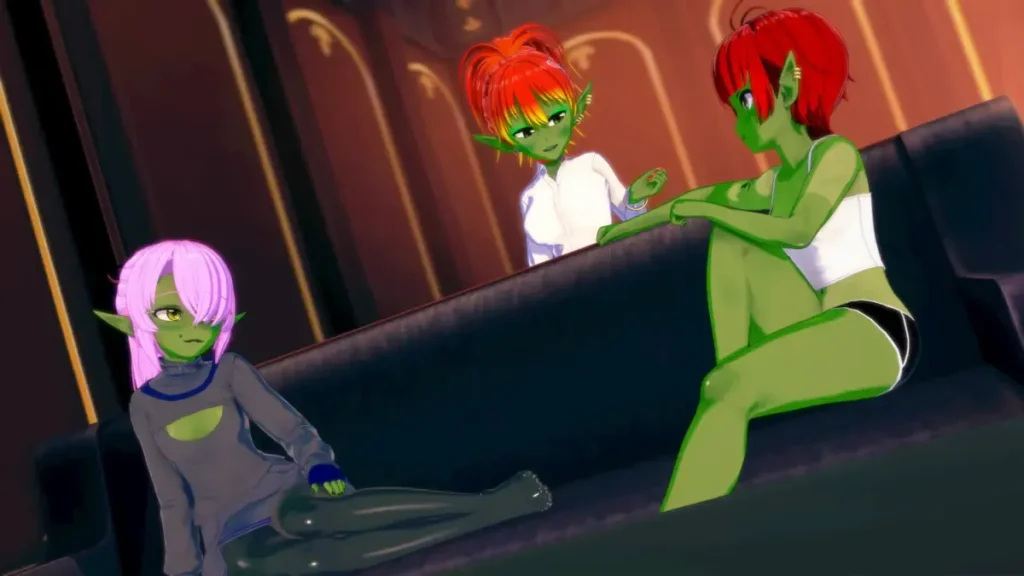
Tales of Unity review
Exploring how this narrative-driven experience redefines character development and world-building
Tales of Unity stands out as a masterpiece of interactive storytelling, proving that narrative-driven experiences can deliver compelling character arcs and engaging plots regardless of their content classification. This comprehensive guide explores what makes Tales of Unity exceptional, from its deeply developed characters to its sharp comedic timing and intricate plot design. Whether you’re curious about the game’s narrative approach, character dynamics, or how it elevates storytelling within its genre, this article breaks down the elements that make Tales of Unity a standout title worth experiencing.
What Makes Tales of Unity a Storytelling Masterpiece
Ever finished a story and just sat there, staring at the screen, because the characters felt so real that saying goodbye was genuinely hard? 😔 That’s the unique magic of Tales of Unity. It’s not just another game you play; it’s a world you live in, populated by people you grow to love, argue with, and fiercely protect. In a landscape filled with interactive storytelling games, this experience stands as a towering achievement, a masterclass in weaving player agency with profound narrative craft. So, what is it about this game’s approach to Tales of Unity storytelling that leaves such a lasting mark? Let’s pull back the curtain.
Character Depth and Development in Tales of Unity
We’ve all met flat, archetypal characters in games—the gruff soldier with a heart of gold, the wise-cracking thief. They’re comfortable, but forgettable. Tales of Unity throws that handbook away. Here, character development in Tales of Unity isn’t a linear path from point A to point B; it’s a messy, breathing ecosystem of growth, regression, and revelation.
I remember my first playthrough, cautiously approaching Kaelen, the seemingly stoic knight assigned as my guardian. 🛡️ I expected the typical “honor-bound protector” trope. What I got was a man wrestling with a legacy of failure, whose dedication masked a deep fear of inadequacy. Through conversations during quiet campfire watches and his reactions to my choices in morally grey situations, I saw his shell crack. This wasn’t told to me in a cutscene; I discovered it by choosing to engage. His arc from a soldier following orders to a man defining his own moral code was my favorite story beat of the year. This is the core of what makes Tales of Unity special: its characters are not functions of the plot; the plot is a function of its characters.
The game achieves this through two brilliant systems. First, every major companion has a “Loom” system—a tapestry of interconnected memories, fears, and desires you slowly untangle. You don’t just unlock new abilities; you unlock new dimensions of their personality. Secondly, their relationships with each other are dynamic and evolving. Leave two characters in your party long enough, and they’ll start bantering, then arguing, then perhaps forming a fragile alliance, completely independent of your input. It makes the party feel like a real, sometimes dysfunctional, found family.
A quick example: Early on, the fiery mage Lyra is openly hostile to the pragmatic scout Ren. Through a series of optional dialogues and a side quest where I forced them to work together, I witnessed a grudging respect turn into a fierce, protective friendship. By the final act, a choice Ren made to save Lyra (which the game presented as a natural outcome of their bond) left me genuinely emotional. That’s character-driven narrative games at their absolute finest.
This attention to psychological depth is what allows the Tales of Unity storytelling to feel so personal and impactful. You’re not watching development; you’re participating in it.
| Character | Initial Facade | Core Conflict | Pivotal Development Moment |
|---|---|---|---|
| Kaelen | Stoic, Duty-Bound Knight | Living under a father’s legendary shadow; fear of his own worth. | Choosing to defend a “villain” who shows mercy, defying his orders and defining his own honor. |
| Lyra | Rebellious, Power-Hungry Mage | Struggle with a destructive magical lineage she cannot control. | Using her “cursed” power not for destruction, but to carefully heal a corrupted land, accepting it as part of her. |
| Ren | Cynical, Self-Serving Scout | Deep-seated guilt over a past survival decision that cost lives. | Volunteering for a near-suicidal mission to save others, not for reward, but for atonement. |
The Narrative Structure and Plot Design
If the characters are the heart, the Tales of Unity narrative structure is the brilliant, double-helix DNA that gives them life. This isn’t a simple “chosen one” journey from village to final castle. The plot is a delicate, interwoven tapestry where your choices don’t just change the ending—they change the path, the themes, and the very weight of the narrative itself. A strong Tales of Unity plot analysis reveals a design that respects player intelligence and rewards investment.
The game masterfully employs a “Fractured Timeline” approach in its middle act. You experience key events from different character perspectives, each playthrough shading the truth differently. One moment you’re making a decisive command as the leader, the next you’re seeing the chaotic, human fallout of that decision through the eyes of a soldier on the ground. This structure does more than just look cool; it reinforces the game’s core theme: there is no single truth in a conflict, only perspectives. It forces you, the player, to become an active analyst of the story.
Pacing is also impeccable. The game understands the rhythm of a great story. High-tension plot missions are consistently broken up by what I call “heartbeat moments”—optional, quiet times at your home base where you can just talk to your companions, hear a story, or help them with a personal task. These aren’t filler; they’re essential narrative decompression chambers. They make the world feel lived-in and make the next big story beat hit harder because you’re fighting for these people, not just a cause on a map.
The balance of narrative threads is a technical marvel. You have the Main Thread (the central conflict), Character Threads (personal companion arcs), and World Threads (faction politics, historical mysteries). The genius is how they braid:
| Narrative Thread Type | How It’s Woven | Player Impact |
|---|---|---|
| Main Plot Thread | Drives the primary action and central mystery forward. | Major branching choices that alter key events and alliances. |
| Character Threads | Interleaved with main missions; often triggered by affinity or location. | Determines character fates, available abilities, and endgame dialogue options. |
| World Threads | Explored through environmental storytelling, side quests, and codex entries. | Changes how factions treat you, unlocks new areas, and provides context that re-contextualizes the main plot. |
This multi-threaded approach ensures the world never feels static. A side quest about a local food shortage might later reveal a conspiracy that ties back to the main villain’s economic strategy. It makes every discovery feel meaningful and connected.
“I’ve played games where my choices felt like selecting A, B, or C on a test. In Tales of Unity, my choices felt like dropping a stone in a pond—the ripples touched everything, from a companion’s quiet remark hours later to the fate of a city I’d forgotten about. The story remembered what I did, even when I didn’t.” – A sentiment echoed in countless player communities.
This responsive, layered design is why the Tales of Unity narrative structure is studied and praised. It proves that interactive storytelling games can have the complex plotting of a premium TV series, with the added, priceless dimension of your personal agency.
Comedy, Tone, and Emotional Resonance
Here’s where many ambitious narratives stumble: balancing tone. How do you tell a story about war, loss, and sacrifice without it becoming a dreary slog? 🤔 Tales of Unity has a secret weapon: its perfectly pitched humor. The comedy doesn’t undercut the drama; it elevates it, making the world and its people authentically human. The emotional resonance of the story is built on this foundation of believable lightness and relatable camaraderie.
The humor is almost always character-driven. It arises from personality clashes, situational irony, and the sheer absurdity of life even in a fantasy crisis. Ren’s dry, sarcastic commentary during a tense stealth mission had me stifling laughs. Lyra’s attempts at cooking, which are treated as a legitimate bio-hazard by the rest of the party, become a recurring gag that actually builds affection. This humor makes the characters endearing. It gives them layers beyond their tragic backstories and epic destinies.
Because you’ve laughed with them, their moments of pain hit with devastating force. I was not prepared for a particular late-game scene where the group’s usual joker, after a devastating loss, tries to make a familiar, lighthearted quip… and his voice just breaks. 😢 The joke dies in his throat, and the silence that follows is more powerful than any dramatic monologue. The game earns its sorrow by first earning its joy. This tonal control is a hallmark of exceptional Tales of Unity storytelling.
The game also understands that emotional resonance isn’t just about big, tragic moments. It’s in the quiet victories, too. The pride of helping a companion overcome a personal fear, the warmth of a shared, peaceful moment watching a virtual sunset after a string of hard battles. These moments are crafted with the same care as the plot twists, and they’re what transform the experience from a story you witness to a journey you feel.
This balance is why Tales of Unity stands tall among the greats of character-driven narrative games. While other titles might excel in one area—unparalleled choice consequence or cinematic presentation—Tales of Unity masters the holistic blend. It shows that player agency and authored narrative aren’t at odds; they can be partners in creating a unique, personal, and deeply moving legend.
So, what’s the final verdict on what makes Tales of Unity special? It’s the commitment to humanity in a fantasy setting. It’s a Tales of Unity narrative structure that trusts you to follow its complex threads. It’s character development in Tales of Unity that feels less like programming and more like genuine growth. It’s the proof that through interactivity, we can form bonds with pixels and code that are as real and affecting as any from traditional media. It’s not just a game you play through; it’s a story you help breathe to life, and one that, in turn, stays alive in your memory long after the final screen fades. ✨
Tales of Unity represents a significant achievement in interactive narrative design, demonstrating that compelling storytelling transcends genre boundaries. The game’s success lies in its commitment to character depth, sophisticated plot development, and the ability to balance humor with emotional weight. By combining engaging character arcs with a carefully crafted narrative structure, Tales of Unity has earned its reputation as a masterpiece that challenges preconceptions about what interactive experiences can accomplish. For anyone interested in exceptional storytelling, character-driven narratives, or the evolution of interactive fiction, Tales of Unity offers a rich, rewarding experience that justifies its critical acclaim and player enthusiasm.