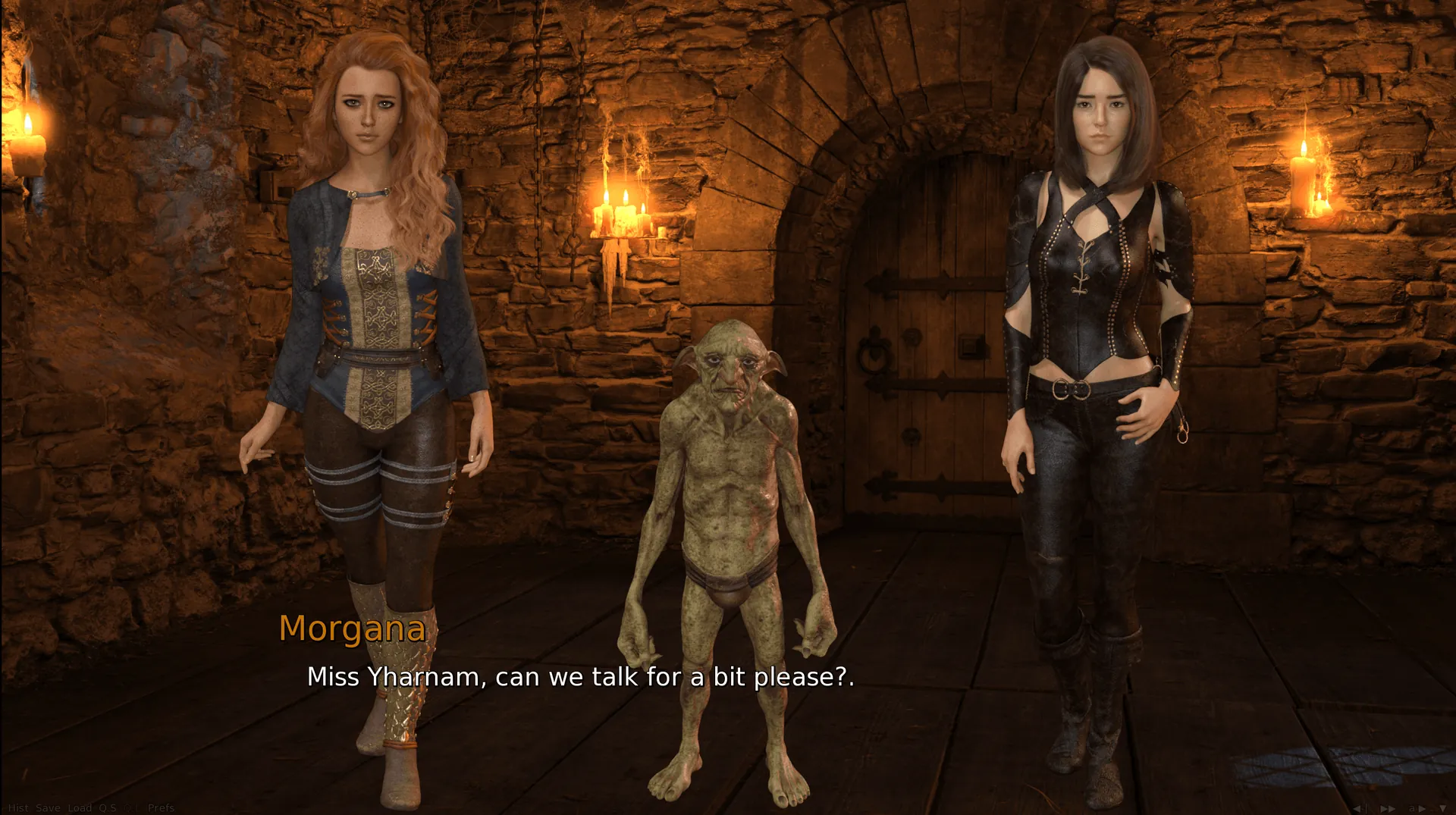
To Be a King
Play To Be a King
To Be a King Screenshots






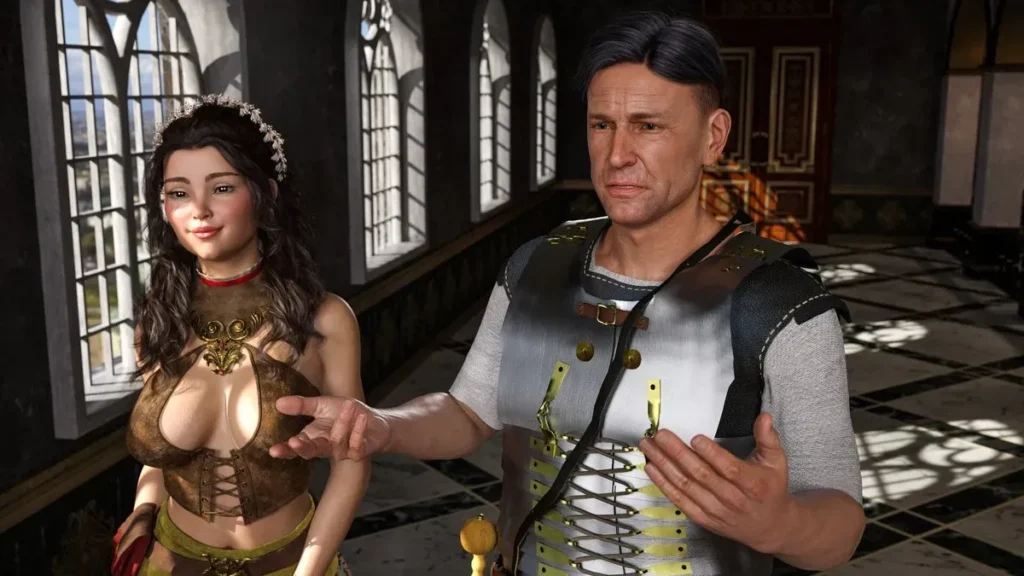

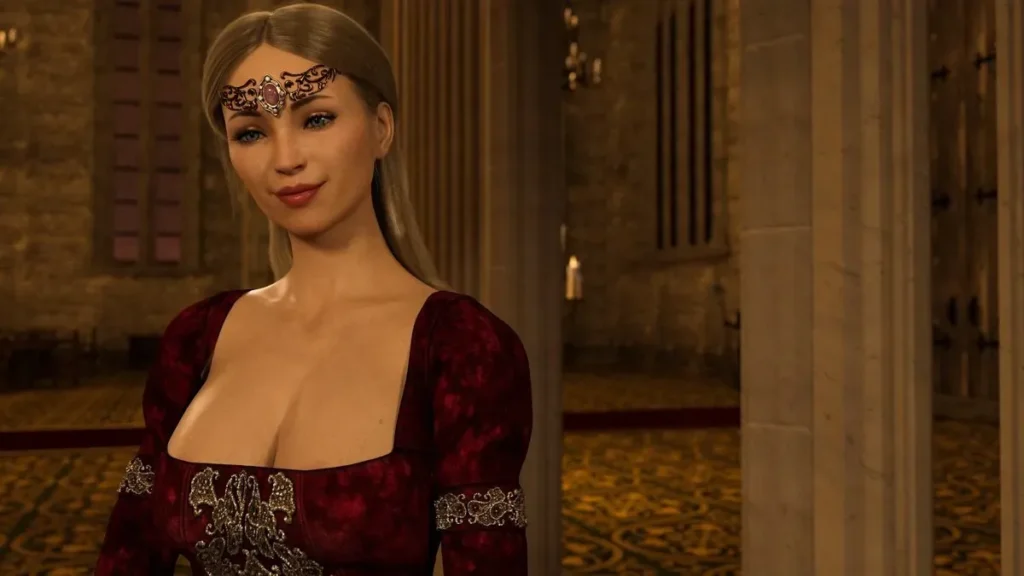
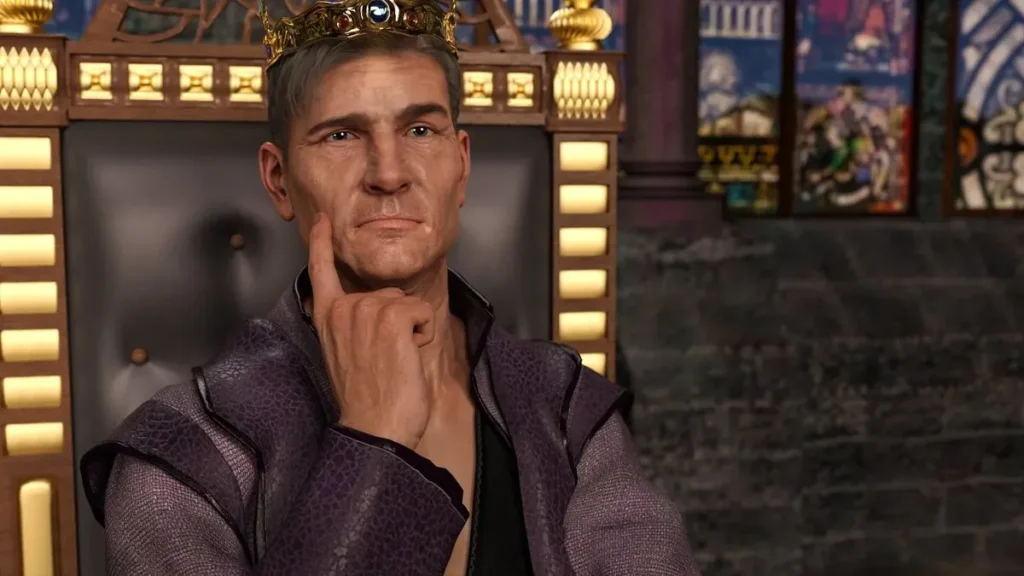

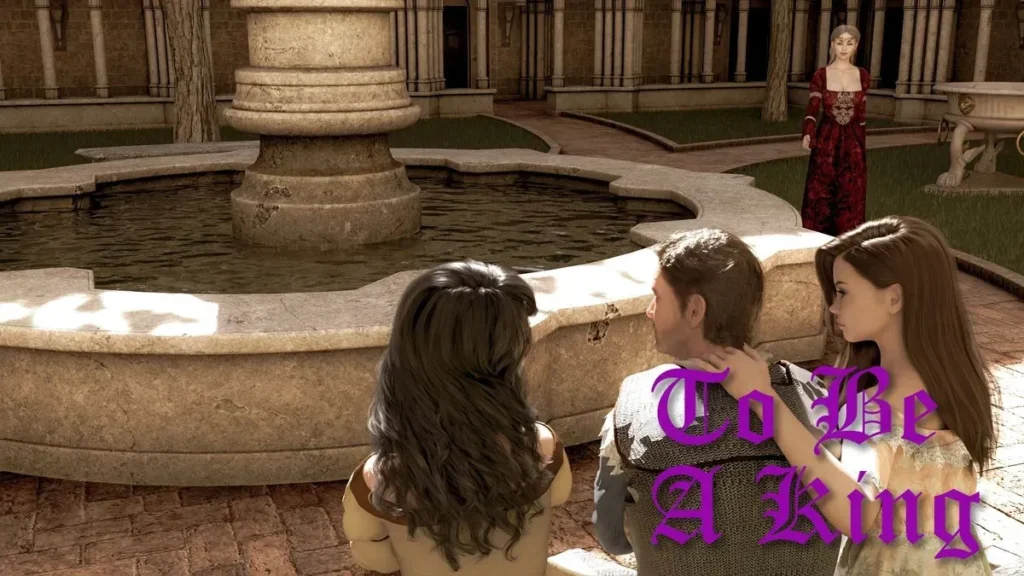

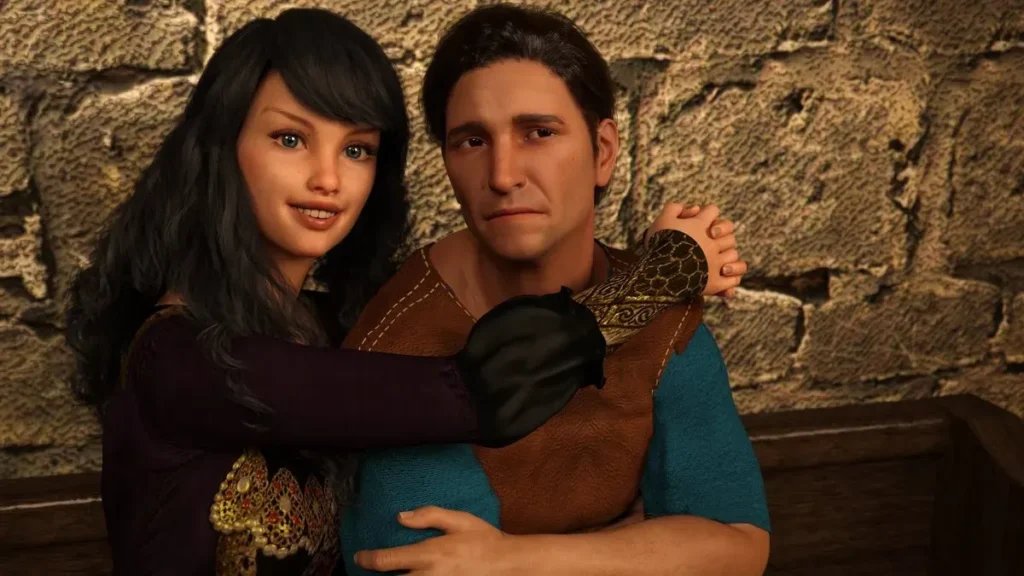


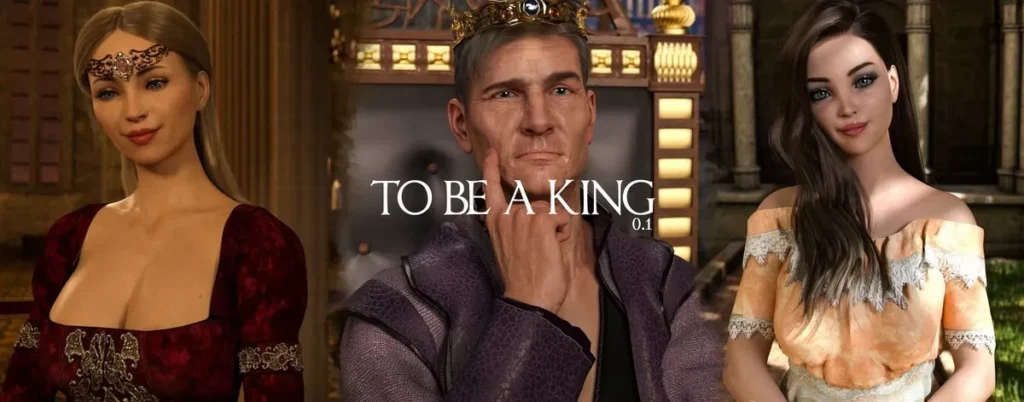
To Be a King review
Master Empire Management, Romance, and Political Strategy in This Adult Visual Novel
To Be a King stands out as a sophisticated adult visual novel that blends empire management with interactive storytelling. Players assume the role of a ruler navigating a Roman Empire filled with political intrigue, assassination attempts, and complex relationship dynamics. Unlike traditional games, this title emphasizes player choice—from diplomatic alliances to romantic pursuits—creating a personalized experience where every decision shapes your kingdom’s fate. Whether you’re drawn to strategy elements, character development, or branching narratives, To Be a King delivers depth that keeps players engaged across multiple playthroughs.
Gameplay Mechanics and Core Features
So, you’ve decided to take the throne. 🏰 The crown is heavier than it looks, isn’t it? Welcome to the heart of To Be a King, a game that brilliantly smashes together the deep strategy of a kingdom simulator with the intimate, character-driven drama of a visual novel. This isn’t about passively clicking through a story; it’s about building, scheming, loving, and surviving. Your every choice, from the treasury to the bedroom, sends ripples through your realm. Let’s break down the core gameplay mechanics that make ruling this empire so irresistibly addictive.
How Empire Management Works in To Be a King
Forget dry spreadsheets and boring menus. The empire management visual novel aspect of To Be a King is all about feeling the weight of your decisions. You’re not just allocating numbers—you’re shaping the lives of your people and the destiny of your nation. The core loop is a deliciously tense juggling act between your kingdom’s health, your personal relationships, and the lurking political shadows.
At the start of each week (the game’s primary time unit), you’re presented with your status. You have key resources to monitor: Gold for everything from feasts to armies, Public Support to keep the populace from revolting, and Noble Favor to ensure the powerful elites don’t decide you’re expendable. Let me tell you, letting Noble Favor dip too low was how I faced my first coup attempt—a brutal lesson learned! 😅
The magic happens in your weekly action points. You can:
* Hold Court: Hear petitions, settle disputes, and make sweeping political strategy decisions.
* Consult Advisors: Meet with your council to unlock special projects, military campaigns, or economic reforms.
* Personal Time: This is where the relationship building gameplay shines. You choose which character to spend time with, deepening bonds or sparking new romances.
* Direct Rule: Personally oversee a domain like the Treasury or the Army for a significant, immediate boost, at the cost of not doing anything else that week.
Here’s a quick checklist of the key features you’ll be mastering:
🎯 Key Features Checklist: Your Royal To-Do List
* Balance three core resources: Gold, Public Support, and Noble Favor.
* Manage weekly Action Points between state affairs and personal pursuits.
* Unlock and complete kingdom projects through your Advisors (build libraries, upgrade fortifications).
* Navigate random events and crisis situations that test your leadership.
* Counter assassination plots and political turmoil through investigation and preemptive choices.
The genius of this empire management visual novel system is its interconnection. Spending a fortune on a grand parade might boost Public Support but drain your Gold and make the Nobles sneer at your frivolity. Choosing to train with the army captain might improve your martial stats, but missing a poet’s invitation could close off a romantic path forever. It’s a constant, thrilling puzzle.
Romance and Relationship Building Systems
Now, let’s talk about the heart (or hearts) of the matter. 🥀❤️🔥 To Be a King presents a vast tapestry of potential partners, each with their own intricate backstory, personality, and set of expectations. This isn’t a simple “pick your favorite” scenario. The romance system choices you make are nuanced, often demanding, and deeply woven into the main narrative.
You can pursue the stoic bodyguard who prioritizes duty above all, the cunning foreign diplomat playing her own game, the artist who sees the soul behind your crown, or the rival noble seeking a strategic alliance. Each relationship progresses through multiple stages, unlocked by specific choices during your time together and, crucially, by the political strategy decisions you make for the kingdom. Approve a trade deal with her homeland? She’s thrilled. Tax her family’s lands? Expect a very cold shoulder at the next banquet.
This brings us to the famous harem game mechanics. Yes, the option is there. The game doesn’t judge you for trying to romance everyone. However, it is brutally realistic about the consequences. These characters are not isolated islands; they talk to each other, they have opinions, and they get jealous.
- Pursuing One: Leads to the deepest, most narrative-rich path, often unlocking unique story branches and endings tied specifically to that partner’s goals and your shared legacy.
- Pursuing Multiple: Is a high-wire act of time management and diplomacy. You must remember personal details, navigate scheduling conflicts (two garden invites on the same afternoon?!), and mediate disputes. Some characters will outright reject you if they discover your wandering eye. Others might form an unexpected alliance… against you.
- Pursuing None: A completely valid path! Focusing solely on statecraft and power is its own narrative, leading to endings where you are remembered as a great, if lonely, monarch.
The relationship building gameplay is where the “visual novel” heart beats strongest. Long, beautifully written scenes explore intimacy, conflict, and partnership. A choice to be vulnerable might unlock a deeper level of trust, while a choice to assert your royal authority might create a lasting rift. It’s this emotional stakes that make the management side feel so meaningful—you’re not just building a prosperous kingdom, you’re building a life.
Strategic Decision-Making and Consequences
This is where To Be a King separates itself from the crowd. Every choice, from the monumental to the seemingly minor, carries weight. The game features a truly dynamic branching narrative consequences system that remembers everything. That minor lord you slighted in Chapter 2? He might be the one holding the dagger in Chapter 8. The kindness you showed a servant? That could come back as unwavering loyalty during a palace revolt.
Political strategy decisions are the engine of this. During council meetings, court sessions, and random events, you must pick a side or forge a new path. Should you:
* Lower taxes on the poor (boosting Public Support, angering Nobles)?
* Fund the religious order (gaining a powerful ally, alienating secularists)?
* Execute a captured rival (sending a message of strength, making you seem tyrannical)?
There is rarely a perfect “good” option. Each choice boosts some stats, lowers others, and alters how characters perceive you. The game’s internal “alignment” isn’t just good vs. evil; it’s about what kind of ruler you are: Just, Tyrannical, Cunning, Indulgent, or something else entirely. This alignment opens or closes certain dialogue options and story paths later on.
The branching narrative consequences are most evident in the game’s multiple endings. There are dozens, based on the state of your kingdom, your key relationships, and your personal ruler alignment. You could achieve a golden age of peace with your chosen consort by your side, rule as a feared but effective tyrant with a harem of sycophants, or even be deposed and exiled, watching your empire crumble from afar. The assassination attempts and political turmoil aren’t just set dressing; they are the direct result of the alliances you’ve broken and the enemies you’ve made.
To visualize how your focus changes the game, here’s a look at different playstyles:
| Playstyle Focus | Primary Actions | Key Resources Prioritized | Potential Narrative Outcomes |
|---|---|---|---|
| Political Strategist | Constant court sessions, advisor meetings, military campaigns. | Noble Favor, Gold, Army Strength. | Expanding borders, passing major reforms, facing internal coups from neglected loved ones. |
| Romantic Philanthropist | Maximizing personal time, hosting grand social events, charitable acts. | Public Support, Individual Character Affection. | Deep, story-rich romance endings, a beloved public figure, but potential bankruptcy or noble insurrection. |
| The Balanced Ruler | Careful weekly mix of state and personal actions, moderate decisions. | All resources kept in a careful, sustainable balance. | “True King” endings, achieving stability and respect, though perhaps missing the extreme highs of other paths. |
Player feedback consistently praises the richness of these systems. Many report replaying three or four times just to see how different romance system choices alter the political landscape, or how early political strategy decisions open up entirely new romantic possibilities later. It’s a testament to the game’s design that managing your harem game mechanics feels just as strategic and consequential as managing your treasury.
In the end, To Be a King gives you an incredible toolkit of gameplay mechanics and says, “The throne is yours. What will you build?” Will you be a king of hearts, a king of swords, or a king of gold? The only way to know is to play, choose, and live with the magnificent, heartbreaking, and glorious consequences. Your legacy awaits. 👑
To Be a King represents a unique entry in the visual novel genre by successfully merging interactive storytelling with meaningful gameplay systems. The combination of empire management, political intrigue, and relationship dynamics creates an experience that rewards player engagement and strategic thinking. With its Very Positive Steam rating from hundreds of players and compelling character interactions, the game appeals to those seeking depth beyond traditional narrative experiences. Whether you’re interested in building alliances, pursuing romance, or uncovering the kingdom’s hidden power structures, To Be a King offers substantial content that encourages multiple playthroughs to explore different paths and outcomes.